|
|
|
Member Newsletter/Pānui 19 June 2026 |
|
|
|
|
|
Primary Health Care bargaining between employers and NZNO's bargaining team began in earnest last week.
Kia ora member
It was scrutiny week at Parliament, but Health Minister Simeon Brown was in the spotlight for issues not related to the Budget estimates – namely his overreach into both the Nursing Council and the Medical Council.
NZNO is particularly concerned about changes at the Nursing Council. Since last September, the Minister has replaced eight existing board members including the chair and three board members who wanted to stay. NZNO is also aware that two internationally qualified nurses have resigned in protest.
These changes have reduced the number of nurses on the board from seven to four. When nurses are the greatest advocates for patients, we don’t believe that – despite Simeon Brown’s constant claim he is putting patients first – these changes have been made with them in mind.
The Minister’s overreach also gets ahead of his own bid to have greater ministerial powers over regulators through changes to the Health Practitioners Competence Assurance Act currently before a Parliamentary select committee. NZNO is doing a lot of mahi in this area and we will have more to say on this soon.
Petition against the Health and Safety at Work Amendment Bill
Nurse workloads and responsibilities have grown exponentially in recent years without the additional resourcing and regulation to ensure work environments are safe from physical, cultural and emotional harm.
This has led to systemic burnout and moral distress being suffered more often, alongside increasing violence and abuse experienced daily by nurses in their workplace.
The Coalition Government’s proposed Health and Safety at Work Amendment Bill is due to have a third and final reading next Wednesday. NZNO is concerned that the amendments will reduce employers' obligations to keep nurses safe at work and ignore the need for systemic change to workforce planning.
Other workforces are also worried about these changes. The Pike River disaster showed the dangers of deregulation and weakened health and safety regulations.
That's why the Council of Trade Unions Te Kauae Kaimahi is working with Pike River family members Anna Osborne and Sonya Rockhouse on an open letter to MPs, urging them not to pass the Bill because it will put more workers at risk of harm.
Please, take a few minutes to sign this open letter.
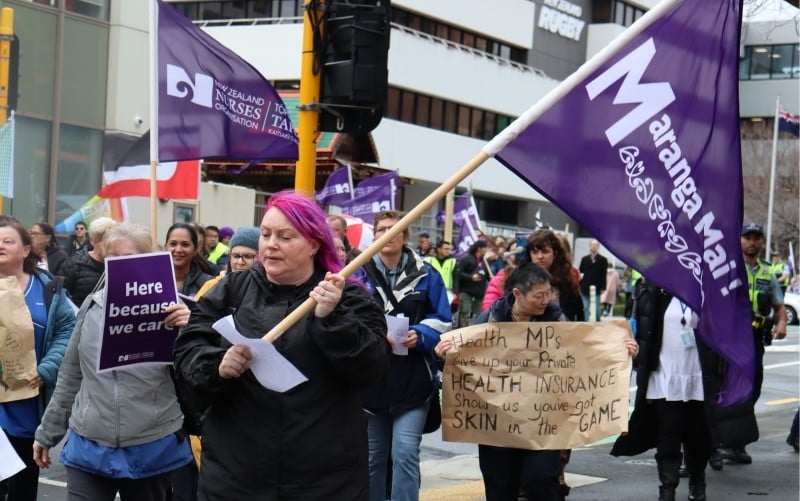
NZNO will join workers, the CTU, our sister unions, and the Pike River family members on Wednesday at 1pm at Parliament in a rally opposing the Bill.
Palmerston North to unite over lack of gastro services
Another important hui being held next week is a public meeting in Palmerston North organised by Patient Voice Aotearoa with us and the Association of Salaried Medical Specialists.
The meeting will air concerns about the state of MidCentral’s gastroenterology department and ongoing chronic short staffing. This has led to backlogs for colonoscopies and the rationing and transferring of non-urgent procedures.
If you’re a local member and available, please attend the public meeting on Tuesday 23 June to show your support. The hui will be held from 5.30pm–7pm at the Massey University Sports and Event Centre, 56 Albany Drive.
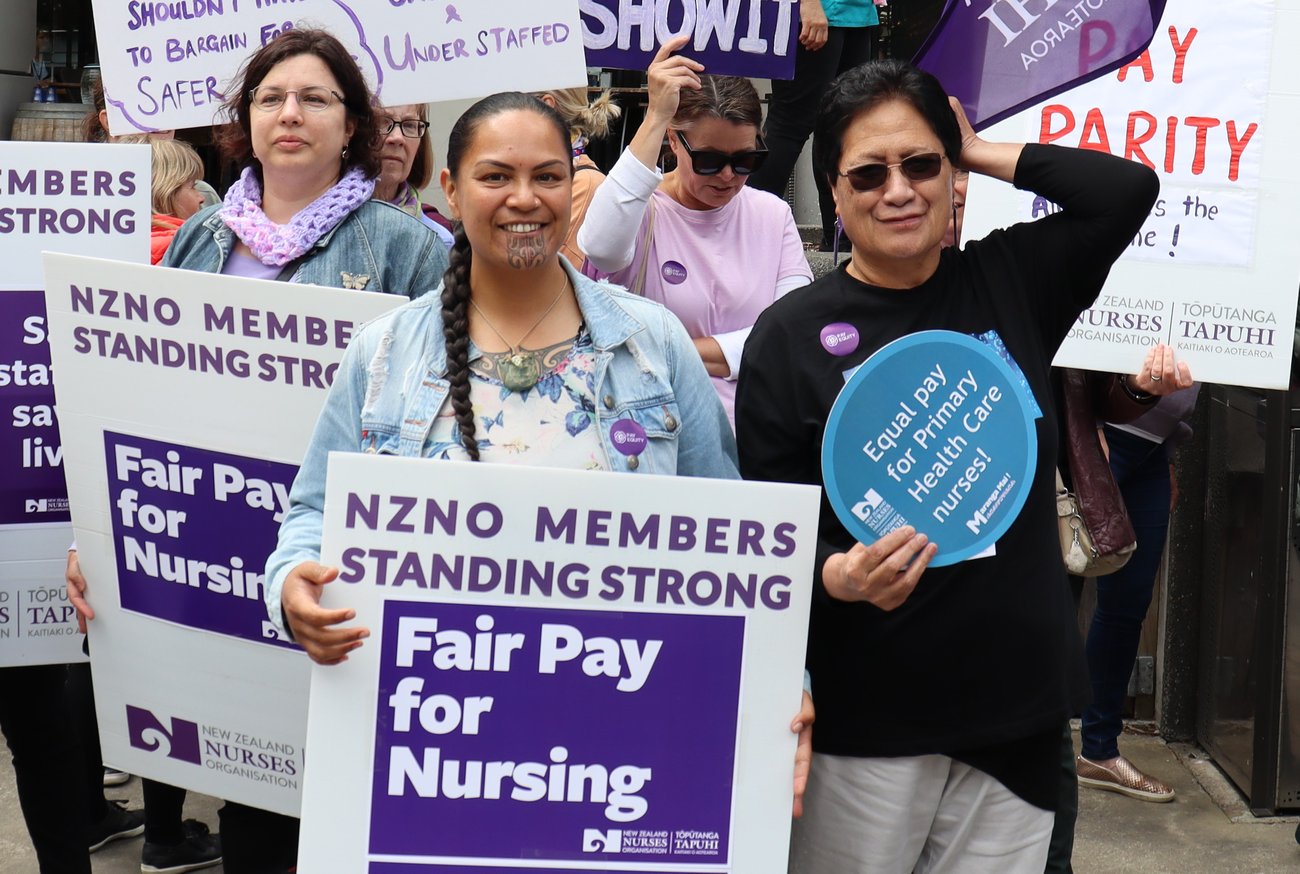
Bargaining in primary care focused on pay parity
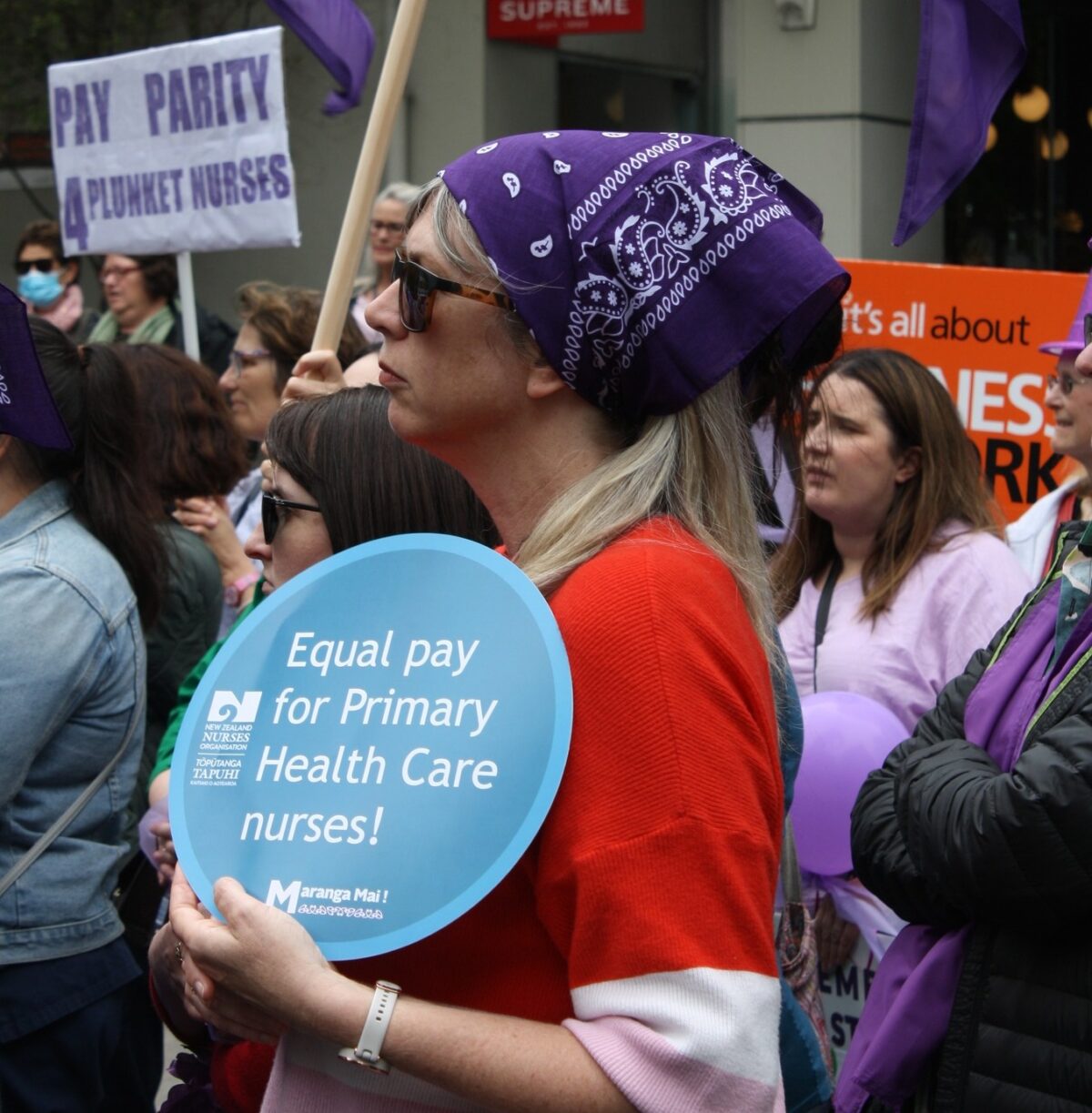
It’s a busy time in primary care with bargaining for numerous collective agreements now underway. This includes bargaining for the PHC MECA beginning earlier this month, Plunket starting on Thursday, and the New Zealand Blood Service bargaining team in negotiations today.
Members at Sexual Wellbeing Aotearoa have rejected an offer put to them and will return to bargaining next month. For more on all this, please see below.
Our biggest collective signed
Te Whatu Ora and NZNO Nursing and Midwifery Collective Agreement for 1 March 2026 – 31 October 2027 has now been signed and can be viewed on the NZNO website.
While our biggest collective agreement is signed, it is far from delivered with many members asking Te Whatu Ora to show them the money!
NZNO has requested a timeline for wage increases and backpay payments from Te Whatu Ora. We have also raised concerns about potential delays which resulted in Te Whatu Ora looking for ways to speed up these payments.
We will update you as soon as we receive information.
Have a great weekend everyone and Go the Canes! I’m sure I’ll hear about this bold call from some of our Waikato members.
Have a great weekend everyone.
Ngā mihi,
Paul Goulter, Chief Executive
Tōpūtanga Tapuhi Kaitiaki o Aotearoa NZNO
|
|
|
|
|
|
In this member newsletter |
|
|
|
|
|
|
Te Toka Tumai Auckland District delegates.
This fortnight has been another busy week organising across all of the sectors alongside supporting and representing members through various workplace issues. Bargaining has begun for members at Plunket, and continues for many members in aged care, hospice and private hospitals.
Some organising highlights include:
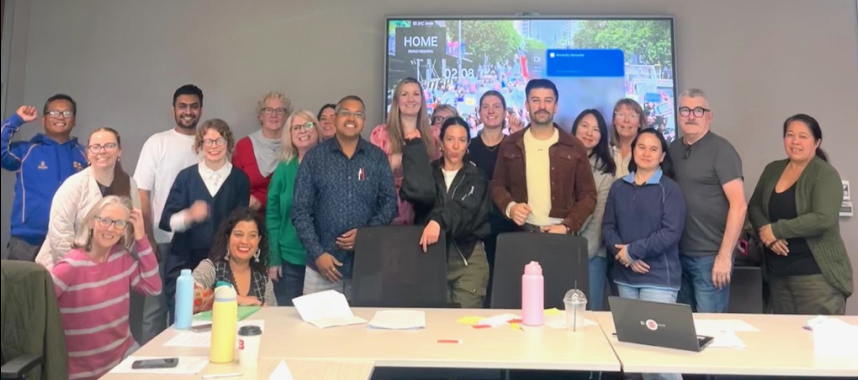
Te Toka Tumai Auckland District delegates planning to win
Seventeen delegates from Auckland Hospital, Greenlane Clinical Centre, and Starship Children’s Hospital came together for a training and planning day focused on building the power of our union.
Throughout the day, delegates developed their organising skills through training on structured organising conversations, mapped their workplaces using the snowflake model, explored lessons from international nursing unions that have successfully won safe staffing ratios, and began planning their collective work for the year ahead.
With the general election approaching, delegates also started developing plans for how we can organise around health in our communities, build more public support for ratios, and ensure public health system is at the forefront for voters in their communities.
The day was filled with energy, enthusiasm, and a strong commitment to improving conditions for healthcare workers, patients, and whānau. It was inspiring to see delegates sharing ideas, learning from one another, and stepping into leadership as we continue to build our collective power. The motivation in the room was high, and we're excited to see these plans come to life across these hospitals over the coming year.
New Vista Whanganui membership building power
Our membership at New Vista this year is increasing as members are collectively organising around issues such as their ability to take sick leave without feeling pressured to come in and cover short staffing. In the last week membership has grown from four members to 14. Members are looking forward to meeting again to discuss next steps and escalating these concerns with management. |
|
|
|
|
Implementing the Te Whatu Ora collective agreement
Wage increases and lump sum payments
Our settlement with Te Whatu Ora included a requirement for the lump sum to be paid within 90 days of ratification and for Te Whatu Ora to work with NZNO to ensure the agreement is efficiently implemented and reasonable timeframes are established. NZNO has requested a timeline for wage increases and backpay payments from Te Whatu Ora and were expecting their response this week.
|
|
|
|
|
Bargaining team debrief
NZNO has raised concerns with Te Whatu Ora about potential delays and this resulted in Te Whatu Ora looking for ways to speed up implementation of these payments. Members will be kept updated as information is received.
Your bargaining team met this week as part of the review of our bargaining campaign. There was a lot to consider after nine months of preparation and 20 months of bargaining. The campaign involved unprecedented and innovative action from members over an extended period of bargaining. Your team discussed what we’ve learnt from that experience and how to approach bargaining next year.
Members with multiple roles
The meeting opened with an acknowledgment that the discussion was without prejudice, given that litigation on multi jobbers remains live. It was noted that approximately 3,200–3,500 employees are considered multi jobbers, covering different roles, collective agreements, pay rates, and in some cases working across multiple districts.
A number of individual examples were shared. It was also acknowledged that the outcome of the court proceedings will influence how certain categories are ultimately treated, although noted that interim guidance and clearer operational approaches could still provide some benefit in the meantime.
Overall, the discussion raised questions about the ability and scope of progressing ongoing work on multi jobber arrangements while litigation remains active.
Agreed actions
1. Provide Multi-Jobber Categories: Health NZ to share a table outlining the multi jobber scenarios/categories (across roles, agreements, pay rates, and districts) for your review and discussion (attached).
2. Leave Management: Based on the categories, Health NZ will circulate how leave is currently managed for further engagement/feedback. (pending)
Next meeting
Noting that we ended the meeting without agreement to meet further, I am suggesting we meet again with an agenda on;
• the multi-jobber categories
• leave management by category
• ability to continue joint work while litigation is ongoing
• report back to Kāhui Kōkiri on action
NZNO and other unions continue to work through the issues faced by members holding multiple roles in Te Whatu Ora. In our most recent meeting we discussed work that could potentially be progressed more broadly, before focusing on how annual and sick leave are accessed and paid where employees hold multiple roles. This included consideration of fairness and Holidays Act compliance, alongside the practical impacts on recruitment and retention. Unions highlighted the impacts on members including difficulties accessing leave across roles, perceptions of lost leave, and reluctance to take on additional or higher responsibility roles due to leave impacts. This work continues over the next couple of weeks.
Correction in the collective agreement
Earlier this week the Te Whatu Ora / NZNO collective agreement was put on our website. There was a wording error in the agreement which is being corrected. We expect to have the corrected version of the collective agreement available on Monday 22 June.
|
|
|
|
|
It has been a hectic week of bargaining this week. On Wednesday the Plunket team met to discuss negotiations set for Thursday, then on Friday the NZBS team gathered to meet for a full day of negotiations in hope of settling that collective now Te Whatu Ora have settled their CA.
On top of that, we have been very busy writing plans for campaigning around the PHC MECA and have completed ratification for Sexual Wellbeing negotiations. |
|
|
|
|
In order of them occurring:
Sexual Wellbeing ratification finished, with members rejecting an offer of 3% + 2.5% over a two-year term. We return to negotiations on 1 July.
Plunket bargaining commenced, with us meeting for a day in Wellington to exchange claims. Plunket made an offer or removal of weekend rates and a 2% increase, below that offered in Te Whatu Ora and below inflation. Bargaining resumes again on 2 July.
New Zealand Blood Service bargaining has been delayed for a long time. Their collective has parity with Te Whatu Ora, so we had agreed to delay bargaining until that bargaining settled. NZBS did come to bargaining fully prepared with an offer in writing. We are taking this out to members to vote on starting next week, with voting due to be completed by 1 July. Given the time it has taken to reach this point, we’re keen to get things done as quickly as possible so members can have certainty on their terms and conditions.
We have a meeting next week to design a campaign to support primary health MECA bargaining. NZNO have dedicated some campaign expertise to this work, so that the PHC MECA bargaining has constant activity and discussion surrounding it this year. |
|
|
|
|
|
|
Pay equity in the non-Te Whatu Ora sector |
|
|
|
|
Pay Equity Update: The cost hasn't disappeared – It's been shifted onto women
This week, pay equity became the subject of another election-year political argument, with National and Labour disputing how much it would cost to restore the legislation. |
|
|
|
|
Lost in that debate is a simple reality: someone is already paying the cost, and it isn't the Government.
In a recent RNZ interview, Labour finance spokesperson Barbara Edmonds confirmed Labour remains committed to restoring pay equity legislation but acknowledged the party cannot put an exact figure on what is owed. You can read the article here: https://www.rnz.co.nz/news/politics/598166/watchdog-needed-to-quell-election-year-squabbles-over-spending-economist
As the debate becomes increasingly focused on political costings rather than the workers who have lost out, we need to cut through the noise. While politicians argue over numbers, women workers continue to bear the consequences through lost earnings and claims that remain unresolved.
The value of your work did not change when the legislation changed, the gender-based undervaluation that led to pay equity claims did not disappear, what changed was who carries the cost.
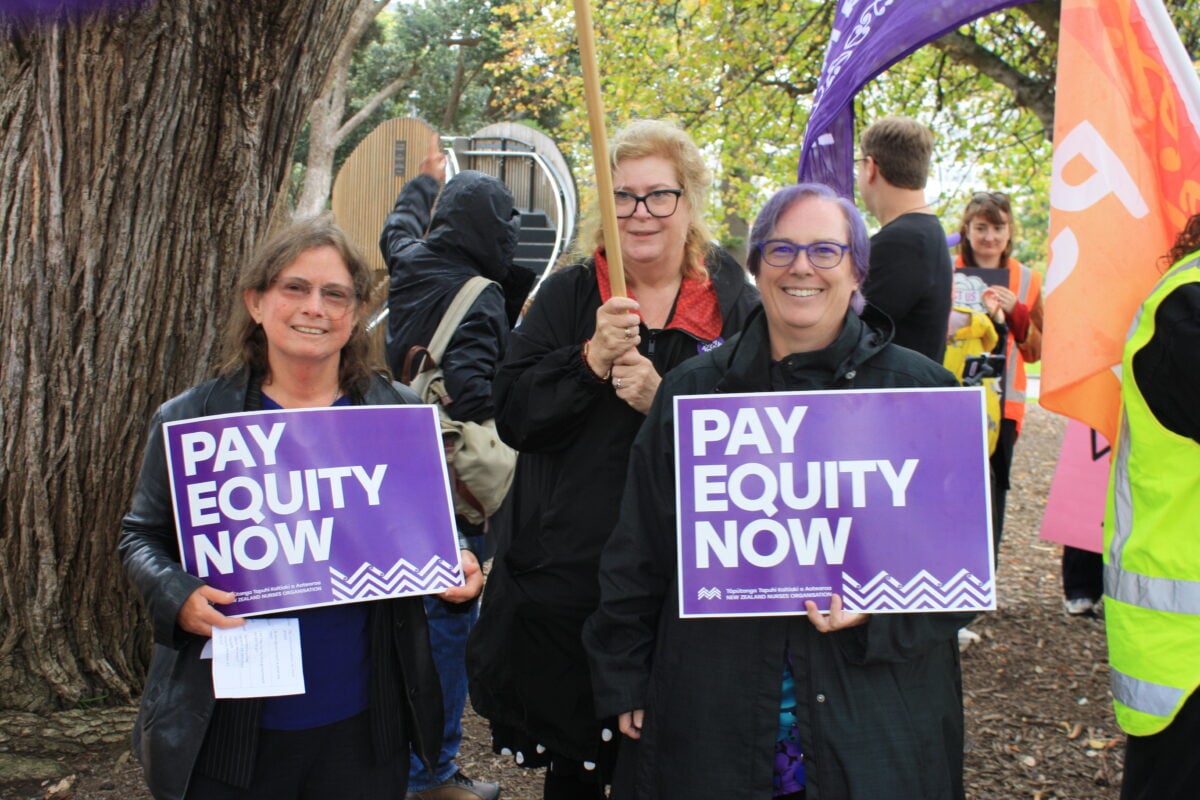
That is why NZNO continues to pursue claims under the amended legislation. The Bupa claim has been raised, both the Plunket and hospice claims remain active with the election now five months away, members have an important role to play.
Talk to your colleagues and delegates about what pay equity means in your workplace and how you can raise the issue together. Attend local election events, community meetings, and candidate forums. Ask candidates where they stand on restoring pay equity and challenge them to explain not just what it will cost, but who has been carrying the cost since it was taken away.
Every conversation helps connect a national policy decision to its local impact. Every question asked at a reminds politicians that behind the headlines and costings are real workers whose pay equity claims are still waiting for justice. |
|
|
|
|
Summerset
The ratification ballot will be emailed to members from 22 - 26 June. If you don't receive the email please call 0800 28 38 48 so it can be sent to you. Organisers will be holding in-person ratification meetings on sites from 2 - 26 June.
|
|
|
|
|
At these meetings, members will be advised that the ballot opens on 22 June and will be conducted online. Members without internet access can call the support centre to vote.
There will also be online “mop-up” meetings on 23 June at 11am and 4pm for those unable to attend in person.
We are aware that Summerset are passing the union-negotiated offer on to non-union staff, which is effectively a pass‑on of a union-negotiated deal. We also understand they are holding meetings with both union and non-union staff to encourage people to move onto individual agreements. This behaviour is unlawful, and we have scheduled mediation with the company on 23 June.
Bupa
Bargaining is scheduled as follows:
22 June - Claims exchange
30 June and 1 July - Bargaining days
The NZNO bargaining team members will be Rangi Hohaia, Val Fifita, Maree Ross and Liceria Sucgang. - Thank you for being involved.
Aged Safe lobbying visits
We are planning for aged care delegates who attended training to visiting their electorate politicians in the constituency's about funding staffing in the sector. Attached is a picture of NZNO Aged Care delegate meeting with Mangere MP, Lemauga Lydia Sosene to discuss the need for culturally safe staffing in aged care.
Oceania
Oceania have undergone change proposals at a number of sites this year, including Elderslea, Elmswood, Lady Allum, Parklands, Bellevue and Duart. A review of the process at Lady Allum will begin on 23 June.
Heritage
Claims are now open for Heritage. Your organiser will be in touch to arrange claims meetings at your site. These meetings are your opportunity to have your say on what you want to see improved at work. Please come along, bring your colleagues, and consider getting more involved as a delegate.
The claims kit is the same as Bupa and can be used for both Heritage and Metlifecare.
Please complete claims by 17 July. We have proposed:
20 July - WPA negotiations
21 - 22 July - Collective Agreement negotiations
Metlifecare
Claims are now open for Metlifecare. Your organiser will be organising meetings at your site soon. We are keen to see more members involved in the bargaining—please attend a meeting, bring your colleagues, and consider becoming a delegate.
Please complete claims by 10 July. Bargaining dates are yet to be confirmed.
Radius
Claims are open for Radius. Please complete claims by 31 July. Bargaining dates are yet to be confirmed.
Funding uplift
The Health Minister’s announced aged care funding increase is inadequate and will worsen existing problems in aged residential care, it amounts to only a 2.6% rise in baseline funding - below inflation, making it a real term cut. This will entrench chronic understaffing, continue unsafe care practices, and put vulnerable residents at greater risk, especially as facilities will now be expected to accept hospital discharges over weekends despite many not having registered nurses onsite 24/7. This highlights the critical importance of our members campaigning for real change in the sector including funding culturally safe staffing for every facility.
|
|
|
|
Private Hospitals and Hospice Sector |
|
|
|
HOSPICE
Hospice MECA (Rotorua, Taupō, Eastern Bay of Plenty, Marlborough)
We are returning to negotiations on 3 July.
PRIVATE & NGO HOSPITALS
ABI / Evolve Rehab
We are finalising an updated offer to bring back to members.
Braemar
Have your say on the employer's offer before Tuesday 23 June: https://www.surveymonkey.com/r/NMNQY28
Evolution
The employer has agreed to negotiate before September. Your delegate team is developing a negotiation plan.
Grace
We are returning to negotiations on Monday 22 and Tuesday 23 June.
St George’s
The delegate team met to discuss a second proposal, and we are developing a response.
PRIVATE HEALTH
New Zealand Clinical Research (NZCR)
We are returning to mediation on 2 July. |
|
|
|
|
|
Our leaders speak: President Anne Daniels – Swap gain for game |
|
|
|
On 7 November 2026, New Zealand will once again decide on our next government.
That means every one of us who are enrolled to vote must take the opportunity to decide on our future (Enrol or update online | Vote NZ). During every election we hear promises from political parties. Now is the time to remind ourselves of what was promised and what was (not) delivered. |
|
|
|
|
Remember National’s promise to put more money in your back pocket? And what was never put on the table but done to us by sleight of hand. Remember the pay equity legislation changes that ripped hope from more than 180,000 women and their families overnight.
A report in 2025 explored the Mood of the Workforce 2025 results NZCTU and found, among others, that more than 75% of workers stated their wages were not keeping up with the cost of living. Nearly 62% of workers also said they felt they were not being paid fairly for their work and were being asked to do more with less. Nearly 70% of workers said that housing was less affordable and 90% said that access to affordable housing was an issue. Funding cuts leading to job losses have increased uncertainty, stress and impacted on mental health.
Only 34% of workers thought that the health care system was doing ok. Financial inequality has resulted in poor health outcomes. Lower income individuals and families reported that their health had deteriorated over the past year.
Most of the building blocks of our health and wellbeing come from outside health care itself: where we live, learn, what we earn, our housing and our social connections.
The NZCTU report shows that the foundations of good health are inequitably distributed in our society, and crumbling. This is reflected in a recent global assessment of health care quality and equity where New Zealand is now 21st compared to Australia’s ranking of three (Best Healthcare in the World 2026). The unnecessary, costly and preventable differences we see today in the determinants of health, and in health and wellbeing outcomes, are not inevitable or fixed. They can be modified through the policies and actions that we all have the power to implement through enrolling and voting for a government with policies that are for, not against, the people.
While the social determinants of health in relation to health and wellbeing outcomes are now widely understood, the drivers of social determinants of health – political determinants are not so well understood. The political determinants of health are influential in creating relationships between government and policy that result in inequitable outcomes (laws, rules, or regulations that oppress one or more populations), allowing for a few to remain in power and to determine which communities receive vital resources necessary for their well-being and optimal living. Dawes (2020) provided a roadmap for advancing health equity by focusing on three major aspects of the political determinants of health: voting, government, and policy.
Voting affords all, at an individual level, a voice to engage in policy solutions for issues directly impacting not only themselves but their respective communities. It is known that voting rights are essential for creating and advancing health equity. As voter suppression occurs as it is under the Coalition Government, the individuals most impacted by inequities are the same individuals who find themselves locked out of the political system. It doesn’t have to be this way.
Recommendations made to the Ministry of Health by the Public Health Advisory Committee in 2025 (Determining our Future: Online version | Ministry of Health NZ ) demand long term thinking and action through cross political party policy agreements that see past the three-year political cycle and focus on realising better outcomes for all. Developing agreed multi-partisan, long term wellbeing goals is a critical step for government to achieving health equity and wellbeing. Cross-party long term goals can be agreed if there is a will to do so as recent cross party infrastructure agreements attest (Government backs 30-year Infrastructure Plan with cross-party support - NZ Herald).
Our power is in our vote and pinning down political parties to agree to develop cross-party long-term agreements on health and education infrastructure that will deliver on achieving health equity and well-being. Health care cannot be seen in isolation. It is a strategic asset that shapes global competitiveness, labour markets, and capital flows. As Taiwan, South Korea, and leading European nations demonstrate, investment in healthcare pays off not only in public health but also in economic resilience and geopolitical leverage, all of which will give us fairly paid jobs, homes AND health.
We need to be in the long game, one that recognises the shape of population health today and for tomorrow. We are 64,000 members and counting. We are a political force to be reckoned with. Together, we are the lead in health and healthcare. Our political power can influence the political determinants of health.
Maranga Mai!
The time to wield that power is NOW! |
|
|
|
|
|
|
NZNO Medico-legal forums registration open |
|
|
|
|
|
Registrations are now open for the NZNO Medico-Legal Forums in July under the theme Navigating risk and complexity in contemporary nursing practice.
The forums will be held in Christchurch and Auckland with a third option to attend online for those who are unable to attend in person.
Venues and dates:
Christchurch: Tuesday 21 July 2026
Links Function and Events Centre, Christchurch Golf Club, 45 Horseshoe Lake Road, Shirley, Christchurch
Auckland: Wednesday 29 July 2026
Sorrento in the Park, 679 Manukau Road, Royal Oak (Located in Cornwall Park).
Streaming option: Wednesday 29 July 2026
Registrations will initially be for NZNO members only, costing $160 for in-person attendance and $120 for online option.
This is a great opportunity to hear from expert speakers, including NZNO Medico-legal lawyers, the Health and Disability Commissioner, Nursing Council of New Zealand and others.
See the programme here
Link to registrations |
|
|
|
NZNO in the news |
|
|
|
|
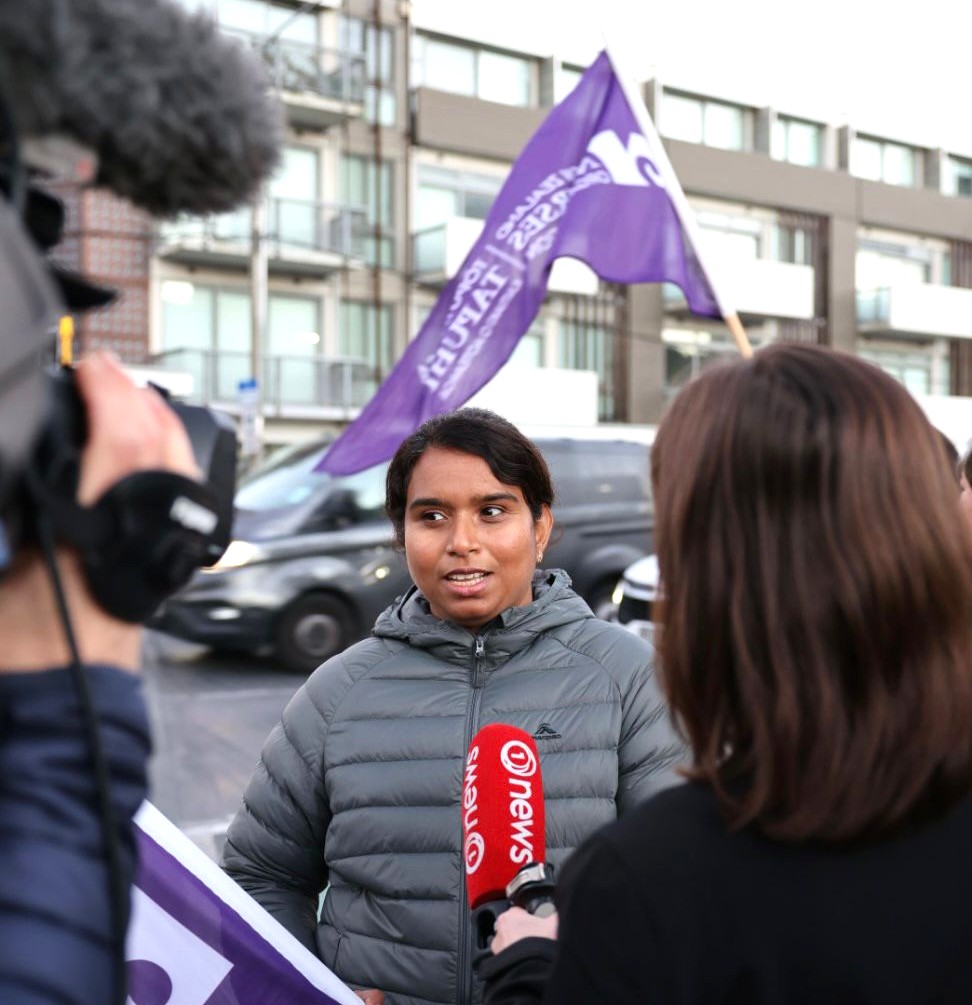
Wellington delegate Tweena Samuel speaks to the media at the May Day rally. |
|
|
|
|
Trouble continues at Palmerston North Hospital's new mental health unit
RNZ Audio, 18 June 2026 (from 10.20mins)
Funding "boost" continues dangerous under-funding of aged care
NZNO, 17 June 2026
Nurses voice concern over Wakari ward works
ODT, 17 June 2026
‘More time at home’ for Waikato Hospital cancer patients with stem cell day treatment
Waikato Times, 16 June 2026
NSW pay rise a wake up call for NZ govt
RNZ News, 15 June 2026
Fourteen staff members take time off after patient assaults at new mental health ward
Checkpoint, 12 June 2026
'Exhausted' workers in Palmerston North mental health ward facing risk of assault every day
RNZ, 12 June 2026
“Money Go-Round” Budget Under Fire: Nurses Warn Māori Health Will Pay the Price
Waatea News, 10 June 2026
'It’s really, really cold': South Auckland family with disabled boy live in converted garage
NZ Herald, 8 June 2026
‘Rearranging deckchairs’: Health system devolution criticised
Waikato Times, 9 June 2026
Read more here |
|
|
|
|
|
|
Grow yourself professionally by joining NZNO's colleges and sections |
|
|
|
Colleges and sections are central to NZNO’s success and influence and brings together groups of members who are focused on a specific nursing specialty.
So far only less than 20% of members have elected to join a college or section, and we'd like to see you grow that number. NZNO colleges and sections can help you advance your practice through policy and professional development opportunities, and membership at most colleges and sections is open and free to NZNO members.
There’s bound to be one for every member as there are 19 colleges and sections across a range of specialty areas and members can choose to belong to as many as three. Individual membership choices are usually related to clinical specialty and/or study and research interests.
Check out our colleges and sections here. Which one(s) will you join? |
|
|
|
|
|
|
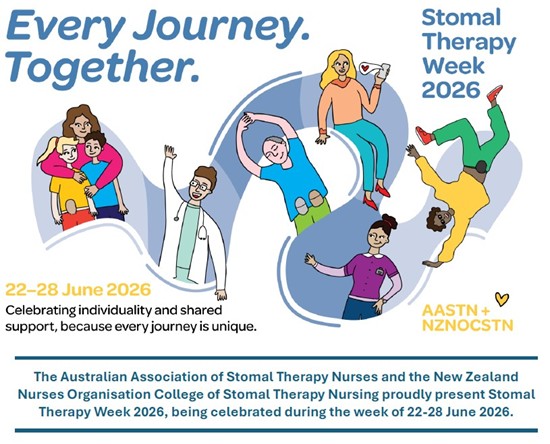
College of Stomal Therapy Nursing |
|
|
|
|
|
|
GDP growth anaemic and masks economy still in 'huge trouble' |
|
|
|
|
GDP data released by StatsNZ today showed that the economy grew at an annual rate of 0.8%. NZCTU President Sandra Grey says this data is likely to be the high-water mark before the full impacts of the conflict in the Gulf have been registered. |
|
|
|
|
"This growth was in line with the forecast from the Reserve Bank, who now expects growth to be lower from here. Growth is anaemic, and together with high unemployment and low consumer confidence, paints a picture of an economy that is still in huge trouble," says Grey.
"The economy grew in manufacturing this quarter, but annual manufacturing data is lower than a year ago (-0.7%). Real residential construction data was down -4.5% annually. Real output in construction is now 20% lower than it was in 2023. Total business investment is lower than it was two years ago in real terms. The private sector hasn't invested in an economy that has seen little to no growth, and fewer customers.
"Annual real GDP per capita was flat, and it is still well behind where we were a few years ago. Annual real GDP per person is $1447 lower than it was in 2023. Working people certainly aren't benefitting, with compensation of employees (wages and salaries) falling in real terms, meaning that the total wage bill of the country is going backwards. The working people’s share of the economy has declined now for two straight years. Meanwhile, the broad measure of profits saw a 6.9% annual average increase in this data.
"This data shows what the Government's growth strategy actually means. Over the past two years the economy has grown by $2.38m a day in real terms. In the two years between 2021 and 2023 it saw real growth of $31.1m a day. Wages are falling, more and more people are unemployed.
The data is showing us that you can't cut your way to prosperity. Annual growth in New Zealand is lower than Australia and the OECD average. Our economy needs a new approach," says Grey. |
|
|
|
|
|
|
ICN monthly update – April and May |
|
|
|
|
|
|
Uni Global Care newsletter |
|
|
|
|
2026 CSSANZ Nurses Awards
|
|
|
|
|
These awards recognise the outstanding contribution of nurses to the colorectal specialty and include two award categories:
- Publications and Educational Materials
- Professional Excellence
Each award recipient will receive support towards continuing professional development, including attendance support for the CSSANZ Colorectal Spring Meeting 2026 (conditions apply).
I have attached a promotional graphic and would be very grateful if you could circulate it to eligible nurses and relevant professional networks.
Further information, including eligibility criteria and application details, is available here.
Applications close 1 August 2026. |
|
|
|
|
|
|
Petition for a public enquiry into FENZ
The NZPFU is calling for an independent inquiry into FENZ to examine why FENZ has failed to manage funding to ensure that it has the capacity and capability for reliable emergency response to the New Zealand public. |
|
|
|
|
Please sign this petition to support the call for a public inquiry into whether FENZ has been properly using its funding to ensure that it has the staffing and resources necessary to keep the New Zealand public safe.
Sign the petition here |
|
|
|
|