|
Hello and welcome to this first edition of Critical Comment for 2026. As we approach the cooler months, we hope you were able to enjoy the Christmas, New Year, and summer period. We would like to acknowledge those regions who experienced significant weather events over the summer and extend our thoughts to all members who may have been affected. We hope that you and your whānau are safe and well.
|
|
|
|
Thank you to the Middlemore Critical Care Complex for organising the recent ANZICS Regional Scientific Meeting. It is always wonderful to reconnect with colleagues from across the country. For Nurse Educators in particular, it’s always a great opportunity to finally meet face to face with colleagues with whom we regularly share resources and ideas via email, often on a daily basis.
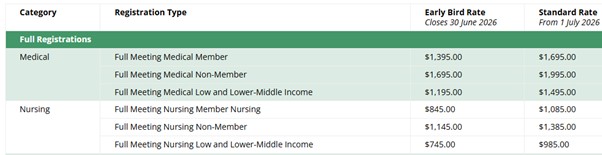
If you are thinking of going to Melbourne for the WFPICCS ANZICS/ACCCN Intensive Care ASM in September please remember as an NZCCCN member you are eligible for the Full meeting Nursing Member discount.
Below is the price list and a link to the site.
Home - WFPICCS ANZICS/ACCCN Intensive Care ASM
|
 |
|
|
|
As a result of our collaboration with the Australian College of Critical Care Nurses (ACCCN) they have offered us a discounted registration fee of $20 to watch any of the ACCCN webinars. This would normally cost $60. Below is a link to their webinar site. To register you need to email eventsadmin@acccn.com.au. Let them know what webinar you’d like to register for and state that you are a NZCCCN member to receive the discount.
Last year NZCCCN were invited to join the Australian and New Zealand Intensive Care Society (ANZICS) Global Intensive Care Initiative. This organisation brings together clinicians, nurses, and allied health professionals to strengthen intensive care capacity in low‑ and middle‑income countries across the Indo‑Pacific, Africa, and Asia. This collaboration supports global knowledge exchange, capacity building, training, and advocacy, aligning NZCCCN with a wide network committed to equity and sustainable development in critical care worldwide.
We are looking for NZCCCN members who have a special interest in Critical Care in any of these regions. If this is something that you like to help the committee, please email us criticalcarenurses@gmail.com
Work is continuing on defining what it means to be a qualified critical care nurse in Aotearoa. Our aim is to establish standardisation across the tertiary providers and introduce a recognised critical care qualification. Our special interest group, The NZ Critical Care Nurse Educator Form (NZCCNEF) have formed a working group and are currently working on a national critical care competency skill framework with ICU nurse educators throughout the country.
We’d love to hear from you. Is there anything interesting happening in your workplaces that you’d love to share. We’ve been hearing about some of them at the recent ANZICS in Auckland. We love to have your stories in this newsletter. Email them to us at criticalcarenurses@gmail.com or if you’d like some guidance.
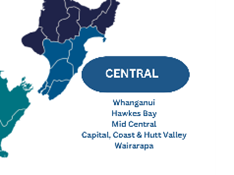
And finally, we still have a vacancy on our committee for the central region that we’d love to fill. Are you passionate about critical care nursing in Aotearoa New Zealand and looking for a way to make a meaningful contribution beyond the bedside? We are inviting expressions of interest from motivated registered nurses to join the NZCCCN Committee.
|
|
|
|
|
This is a rewarding opportunity to:
|
|
|
|
|
If you’d like to know more about the role or what committee involvement looks like, feel free to contact us at criticalcarenurses@gmail.com.
Take care over the winter months
Hei konā mai
Rachel Atkin NZCCCN Chairperson
Return to top |
|
|
|
|
|
|
Welcome to the April/May edition of NZCCCN Critical Comment. It is hard to believe how fast this year is already going.
In the Critical Comment this month:
- Hayley Holden, Critical Care Nurse Educator from Timaru discusses the Ascent Nurse Project. The Ascent Programme is a nurse-led education initiative to strengthen critical care practice within Timaru Hospital. The programme provides a structured 10-month learning pathway to develop and maintain the knowledge and skills essential for safe, effective and high-quality critical care nursing.
|
|
|
|
- Anjeleka Garnett, Registered Nurse from Health New Zealand Waikato, discusses her observation placement at Starship’s Paediatric Intensive Care Unit (PICU). Anjeleka’s goal was to gain exposure to advanced PICU care to help strengthen and refine how she cares for paediatric patients within her own unit at Waikato.
- Diane Pollard, NZCCCN committee member and Registered Nurse from Greymouth Hospital, provides a review of the College and Sections Forum that was held in March. This forum is held over two days with a focus on developing strategic leadership and influence, implementing inclusive leadership, cultural competence and innovation in professional practice and developing future ready leaders who can guide teams and projects with clarity and confidence.
- NZCCCN provides an overview of the upcoming My Health Hub webinars being in held in May, as well as an overview of previous webinars.
Thank you to all those who have made a contribution to the Critical Comment for NZCCCN, we appreciate the time and effort that goes into this. Thank you also, for your incredible mahi in the critical care nursing environment and for sharing your work with us.
We are always looking for contributions from NZCCCN members for Critical Comment. If you are involved in a research project, change of practice, clinical innovation, or anything of interest which you think other NZCCCN members would like to read about, please contact us on our email at criticalcarenurses@gmail.com or melissa.evelyn@waikatodhb.health.nz.
Melissa Evelyn
NZCCCN Editor
Return to top |
|
|
|
|
|
|
2026 College and Section Forum |
|
|
|
|
I had the privilege of attending the NZNO Colleges and Sections two day forum, representing the College of Critical Care Nurses on the 10th and 11th March 2026. This was a challenging and inspiring two-day forum listening to various nursing leaders from across the NZNO colleges and sections, as well as NZNO staff members speaking about their roles, issues and aspirations for New Zealand nursing and health care in the past and future.
The themes of the forum were: Share, connect, expertise and amplify and I feel these were clearly met over the two days with attendees able to voice their thoughts, network with colleagues, demonstrate their expertise in the fields and amplify the activities, and challenges they are acting upon in their workplaces and within their colleges and sections.
Anne Daniels, our NZNO president, along with Kerri Nuku our NZNO Kaiwhakahaere opened the College and Sections forum. Anne challenged us all as nurses to have a role in leading change in health care, being involved in recruitment and retention, to lead health from the prevention of illness/injury, and maintaining the quality of healthcare and not just a curative model. She encouraged us as nurses to place a focus on the provision of health care across the spectrum from the community to hospital level.
Before lunch on day one we had speakers from NZNO discuss public policy and employment practice proposals looking at how as an organisation and members of that organisation can use our industrial, professional and political strength to increase our voices and influence in health care. These sessions covered issues such as the political distortion of information via the media, such as the pay equity issues and the graduate nurses pay rise. How Health NZ does not have concrete facts regarding nursing numbers on which to define or measure the value of the nursing workforce, safe staffing has become subordinate to financial constraints and political decisions about affordability.
Speakers recommended that to leverage our professional strength as an organisation we needed to have a rigorous and evidence based diagnosis of the problem we were presenting and its origins. We need to deploy both professional and clinical expertise to advocate for a solution, mobilising to be the drivers of change.
The intent of the new constitution was explained to be: member led, following Te Tiriti o Waitangi, Equitable Unified and Democratic.
Throughout the two day forum speakers from all Colleges and Sections represented at the forum were invited to speak for ten minutes about their focus area, explaining what activities we had been undertaking to promote nursing, increase membership, and education within our colleges and sections, who we had been networking with nationally and internationally, as well as future goals and challenges.
The themes I took away from the college and section speakers was the amazing level of dedication and time leaders within these groups were putting into their focus areas and how this was influencing their colleagues and NZ health care. Nurses spoke about projects in their individual areas of influences as well as networking with other colleges and sections that aligned with their own, an example of this was the cancer nurse working with primary health care nurses. Nurses spoke about approaching the health minister to address concerns in their areas of focus. The challenges speakers spoke about were: gaining members to their college of section, getting committee members and being able to hold conferences and get enough members to have annual general meetings. Some colleges and sections reported having as few as two members on their committee.
Throughout the two day forum attendees took part in a number of table top discussions where ideas were discussed and formulated under the topics: Fostering leadership and collaboration in Nursing and Exploring innovation, cultural competence and professionalism.
Professional Nurse Advisors and the NZNO Director of Nursing and Professional Services also spoke about how to be a professional stakeholder and what professional success looks like for the NZNO and how we achieve this.
This two day forum was very thought provoking and informative. It was a great chance to network with nurses throughout the country, to learn about the college and section they represent, promote our own and explore the challenges and solutions we have found. I came away from the forum sobered by the challenges we are all encountering every day in our professional lives and heartened by the determination and passion nurses continue to demonstrate in trying to overcome them.
Diane Pollard
RN, Critical Care Unit at Te Nikau Hospital, Greymouth
NZ College of Critical Care Nurses, Committee Member
Return to top |
|
|
|
NZCCCN Education Hub |
|
|
|
|
We are continuing to have positive feedback and attendance from our webinars that we are holding via My Health Hub.
Our most recent webinar was held on 24 February 2026. This was presented by Annie Egan, an Allied Health Critical Care Educator (ICU pharmacist) from Te Waipounamu. Annie presented Mnemonics in Critical Care. |
|
|
|
|
This webinar was a practical, fast-paced session unpacking how small daily actions can make a big difference for our sickest patients. Annie explored the FASTHUG-BID framework, the A-F bundle, and the key touchpoints that improve patient safety, comfort and outcomes in ICU.
This webinar is still available to view on the following link:
https://myhealthhub.co.nz/nzcccn/ |
|
|
|
|
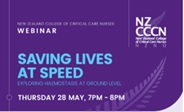
Coming up in Suzi Rishworth, Transfusion Nurse Specialist from New Zealand Blood service, presents a practical webinar on haemostasis in every day care. Explore the physiology of clotting, recognise common coagulopathies, and translate theory into real-world decision-making. Gain confidence managing massive haemorrhage and learn how to interpret key tests and protocols to support rapid, safe patient care. |
|
|
|
|
2025 Webinars
Webinar 1: Sepsis early recognition and treatment
Presented by: Camilla Howard, Sepsis CNS Waikato Hospital
Webinar 2: Quality and operational standards for the provision of critical care outreach service
Presented by: Sarah Imray, CNS PAR service Wellington Hospital
Webinar 3: ICU miracle a survivor’s story
Presented by: Duane Alvares, an 11 month NZ ICU survivor
Webinar 4: When oxygen isn't enough
Presented by Toni Johnston, NP ICU Dunedin Hospital
On behalf of our college members and committee we would like to thank our presenters for giving us their time, knowledge and expertise.
Return to top |
|
|
|
|
|
|
Ascent Project aims to elevate ICU Nursing Care |
|
|
|
|
A nurse-led education initiative to strengthen critical care practice within Timaru Hospital was officially launched this week. The programme, known as The Ascent Project, provides a structured, 10-month learning pathway to develop and maintain the knowledge and skills essential for safe, effective, and high-quality critical care nursing. |
|
|
|
|
Over the past 18-months, the critical care nursing workforce has undergone significant changes. Several experienced nurses have transitioned out of the unit to support the newly established Patient at Risk (PAR) team. Simultaneously, new nursing staff have been recruited from a variety of backgrounds, with some having limited or no previous critical care experience. |
|
|
|
|
The Ascent Project will be delivered using current staff and resources, working within the Care Capacity Demand Management (CCDM) programme, and will operate within the current FTE staffing levels, ensuring it remains sustainable and cost-effective without requiring additional funding or personnel. It will also align with the Critical Care Service Network – Te Waipounamu newly endorsed regional model for critical care and PAR services.
ICU and Pharmacy staff, and others involved in the project gathered on Wednesday for an official launch, where during his well-received speech, ICU Clinical Director Dr Russell Rarity
|
|
|
|
|
suggested that the 10-month learning programme will provide knowledge that nurses would use for many years to come.
FAQs
What is the EPICCNZ programme?
The EPICCNZ programme in an online learning programme developed nationally by critical care educators and provides an introduction for all staff working in adult critical care and covers the following modules: core modules (introduction to critical care, assessment at the bedside and fundamentals of care); system modules (respiratory, cardiovascular, neurological, renal and gastrointestinal) and specialty modules (sepsis, trauma and paediatric etc).
How does this fit in with current orientation?
This initiative is distinct from the standard orientation process. Orientation is a month-long onboarding programme primarily focused on familiarising new staff with the environment and workflows of an open-access New Zealand critical care unit
In contrast, the Ascent Project is a comprehensive, 10-month development programme designed to build the enhanced skills and knowledge required to deliver high-quality care in the critical care setting.
How does this affect already existing release time for training / CCDM?
The programme has been designed to complement, rather than compete with, existing release time allocated for training and the CCDM framework. It integrates seamlessly with current study days, ensuring efficient use of staff time and avoiding duplication of educational content. Training is intended to be delivered within standard working hours, supporting both continuity of care and staff wellbeing. Additionally, the programme aligns with mandatory critical care training requirements and offers a more structured and coherent framework for delivering this essential content. This structured approach enhances consistency, improves engagement, and supports ongoing professional development within the team.
Why does this focus on nursing?
Phase 1 of this project primarily focuses on nursing because nurses provide the majority of immediate, patient-facing care and are present at the bedside 24/7. Their role is central to the day-to-day functioning of the unit. However, we fully intend to encourage involvement from allied health and medical staff throughout the project. Our aim is for this initiative to have a positive ripple effect across the wider multidisciplinary team, serving as a model that can be adapted and extended to support education and development for allied health and medical colleagues as well.
How will programme reach staff on nights or weekend shifts?
To ensure accessibility for all staff, including those working night or weekend shifts, the programme is designed with a rotational structure in mind. Each module theme runs for two months, allowing staff multiple opportunities to engage with the content regardless of their rostered shifts. PAR staff will support sign offs for staff on night and weekend shifts.
Will allied health and medical colleagues receive similar training /opportunities?
While the initial focus is on nursing, we anticipate and encourage the involvement of allied health and medical colleagues. As the programme evolves, it is expected to expand in scope, offering similar training and development opportunities across the wider multidisciplinary team.
Who is involved in the design and delivery of this programme?
This is a nursing-led initiative, developed with the aim of strengthening clinical knowledge and practice within the unit. While the core design has been driven by nursing, valuable input has also been provided by pharmacy, regional allied health educators, and senior nursing leadership to ensure a well-rounded and collaborative approach.
The programme will be primarily delivered by nursing staff, with support from specialist disciplines including dietetics, pharmacy, occupational therapy, and physiotherapy, ensuring a multidisciplinary perspective is embedded throughout the training.
How does this programme affect staff wellbeing?
A key objective of this programme is to support and enhance staff wellbeing. By providing structured education, professional development, and a sense of purpose and growth, the project aims to foster a more positive and supportive work environment. Staff wellbeing will also be actively monitored as a core outcome of the programme, ensuring that its impact is not only educational but also contributes meaningfully to the overall health and satisfaction of the team.
How does this project affect the ICU budget and resources?
This project has been designed to have minimal impact on the critical care budget and existing resources. It will be delivered using current staff and resources, working within the CCDM framework. Importantly, the programme will operate within the current full-time equivalent (FTE) staffing levels, ensuring it remains sustainable and cost-effective without requiring additional funding or personnel.
How will outcomes be measured?
A variety of qualitative and quantitative methods will be used to evaluate the effectiveness and impact of the programme. These measures will help assess knowledge uptake, clinical performance, staff confidence, and patient safety outcomes. Suggested tools and audits include:
- Completion rates of EPICCNZ modules
- Completion of competencies
- Pre- and post-programme confidence surveys and self-assessments
- Direct Observation of Practical Skills (DOPS) assessments
- Sign-off rates and attendance tracking for each module
- Staff and patient satisfaction surveys, including a focus on staff wellbeing
- Line audits to assess adherence to best practice in vascular access care
- Monitoring of safety incidents through the Safety-First reporting system
- Medication safety audits
- Chart audits to review documentation accuracy and clinical decision-making
- Simulation (SIMS) training assessments
These measures will provide a comprehensive view of programme effectiveness, areas for improvement, and its overall impact on critical care team performance and culture.
Is patient safety currently at risk?
While there is no current data indicating an immediate risk to patient safety, the unit comprises a large number of junior or internationally trained nursing staff with varying levels of experience and knowledge. In light of this, we believe it is both responsible and necessary to ensure that all staff receive consistent, high-quality training to achieve a common baseline of competence. The goal of this project is not only to maintain safe care but to elevate the standard of care provided — enabling the critical care team to deliver nationally leading, high-quality intensive care to every patient.
Hayley Holden
Critical Care Nurse Educator, Timaru
Return to top
|
|
|
|
|
|
|
Small patients, big lessons |
|
|
|
|
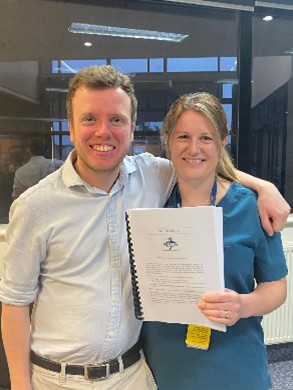
On December 15 and 16 2025, I had the opportunity to step out of my usual ICU environment at Waikato Hospital and into Starship PICU for an observation placement focused on clinical education. While Waikato ICU predominantly cares for adults, we also look after children, and a key aim of this trip was to gain exposure to advanced PICU care to help strengthen and refine how we care for paediatric patients within our own unit.
Another standout aspect of the placement was the seamless integration of family-centred care, even in high-acuity situations. The way families were included, informed, and supported throughout the care process was both impressive and inspiring, and highlighted the importance of communication when caring for critically unwell children. The emphasis placed on developmental care was also inspiring to see.
Across the two days, the teamwork within the unit was impossible to miss. The multidisciplinary collaboration was smooth and supportive, and the culture within PICU was welcoming — especially for an observer doing their best not to hover awkwardly while absorbing as much as possible.
While I didn’t return with a suitcase full of new equipment or protocols, I did come back with fresh perspectives, increased confidence around paediatric airway and ventilation considerations, and several ideas worth reflecting on in our own practice. Most importantly, the placement reinforced the value of ongoing exposure and education in paediatric critical care to support safe, high-quality care for children in our predominantly adult ICU.
A big thank you to the Starship PICU team for their generosity, openness, and willingness to share their expertise. The experience was both educational and inspiring, and I’m grateful for the opportunity to bring these insights back to our ICU.
Anjeleka Garnett,
ICU RN Waikato Hospital
Return to top
|
|
|
|
Critical Care Outreach Forum |
|
|
|
|
|
|
Global Intensive Care Initiative |
|
|
|
|
Global Intensive Care Initiative (GICI) - ANZICS
Strengthening Pacific ICU Nursing Connections
NZCCCN members invited to link with ANZICS GICI
The New Zealand College of Critical Care Nurses (NZCCCN) is seeking to connect with members who have an interest in Pacific health or who are already involved in ICU education or clinical support across the Pacific Islands.
NZCCCN has established links with the ANZICS Global Intensive Care Initiative (GICI) — a collaborative network supporting the development of critical care services across the Pacific and other low‑ and middle‑income settings. We are now keen to strengthen nursing connections within this relationship.
Who are we hoping to hear from?
NZCCCN members who:
- regularly or occasionally travel to Pacific Island nations for ICU‑related work
- are involved in education, mentoring, outreach, or systems support
- have an interest in global or Pacific critical care nursing
- would like to explore future involvement with Pacific ICU colleagues
This is not a deployment or recruitment programme. Instead, it’s about connection, collaboration, and sharing knowledge and experience to support sustainable and culturally responsive critical care nursing.
Why get involved?
By joining this informal NZCCCN–GICI nursing link, you’ll have the opportunity to:
- connect with other NZ ICU nurses involved in Pacific work
- share experiences, resources, and learning
- contribute to shaping NZCCCN’s international nursing engagement
- stay informed about relevant education and collaboration opportunities
How to express interest
If you would like to be involved, please email: criticalcarenurses@gmail.com
Subject: Pacific ICU – GICI connection
A short note outlining your interest or experience is all that’s needed.
Together, we can strengthen ICU nursing relationships across Aotearoa and the Pacific.
Return to top |
|
|
|
|
|
|