|
|
Member Newsletter/Pānui 14 August 2026 |
|
|
|
|
|
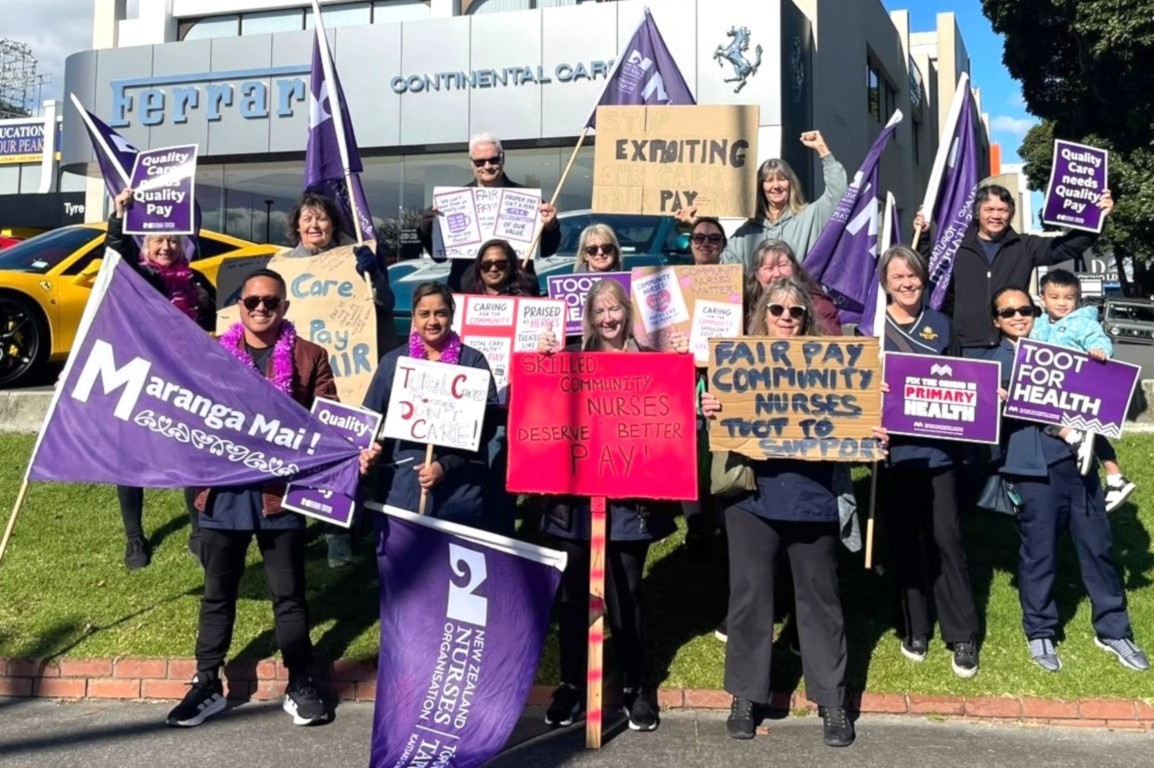
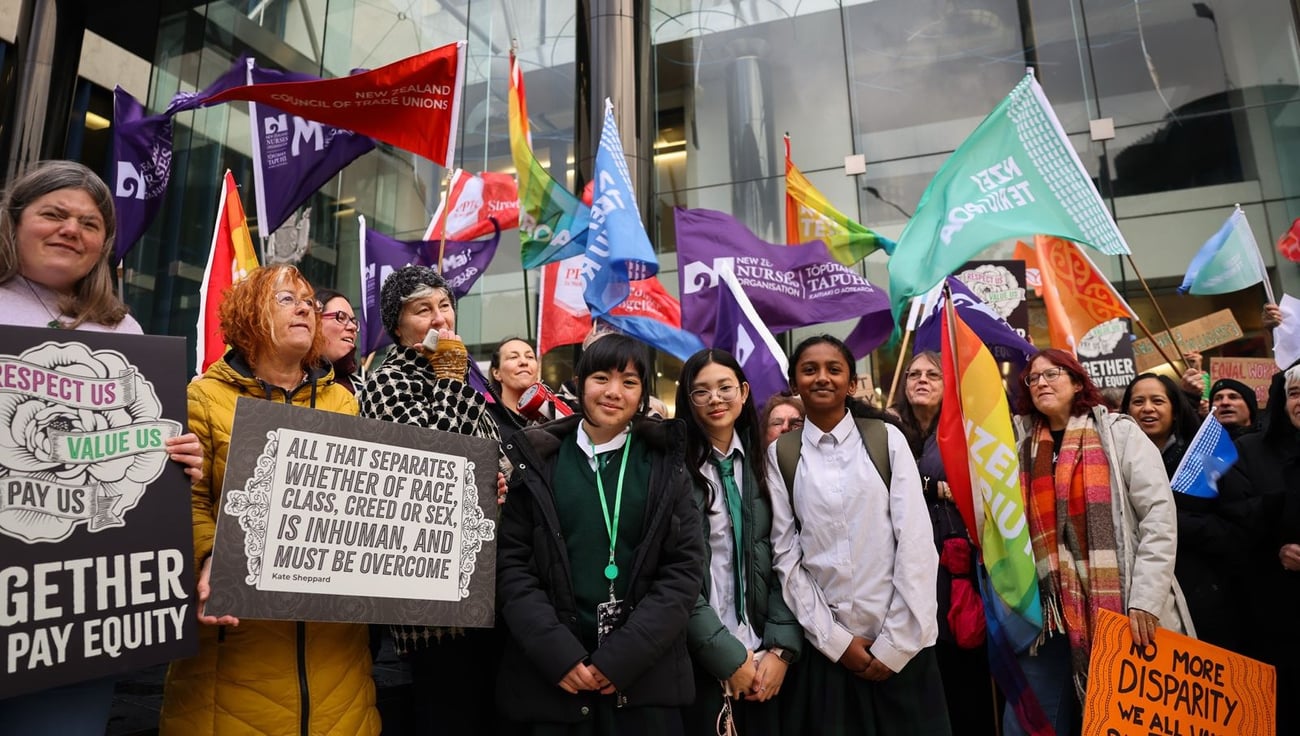
Total Care nurses in Auckland make their feelings known at last week's picket in Epsom, Newmarket.
Kia ora member
Shockwaves were felt throughout the nursing community when the impact of the Minister of Health’s gutting of the Nursing Council board was revealed publicly this week.
Nursing Council chief executive Catherine Byrne is the latest to resign and follows deputy registrars Clare Prendergast and Nick Davis, and chief education adviser Annette Huntington, out the Council’s door.
The departure of key and respected figures on the Council’s executive is concerning and provides some insights into the goings on at the regulator since a new ministerially appointed board took the reins.
In replacing eight of the 12-member board, the Minister has reduced the number of nurses from seven to four and left just one Māori member. This was despite four of the previous members wanting to stay on. The appointments led to two international qualified nurses resigning in protest and two other members not seeking reappointment.
The Nursing Council, under the helm of Catherine Byrne, introduced Te Tiriti-led culturally safety as a requirement throughout nursing practice and launched new cultural competency guidance, kawa whakaruruhau.
The changes at the Nursing Council echo those at the Medical Council which Simeon Brown was forced to admit were made because of their “ideological agenda”. The Minister seemingly has his own ideological agenda at the Nursing Council.
These changes also foreshadow the amendments to the HPCA where the Government is looking to allow the Minster to politically direct the Nursing Council. This means that political considerations will be able to override regulations set up to enhance patient safety and nursing competency and practice.
Your feedback on competency standards
Despite the drama at the Nursing Council, the mahi of nursing regulation must go on. The Council is currently seeking feedback on the proposed standards of competence for NP-and-RN-prescribers. Alongside this, they are consulting on proposed changes to the prescribed qualifications for the NP and RN prescriber scopes.
Following consultation late last year, the Nursing Council Board approved a revised NP scope of practice, and a new RN prescriber scope of practice. Education standards have been approved subject to further consultation on prescribed qualifications for the scopes of practice and will be published later in the year.
You can respond directly to the Nursing Council by Monday 7 September or send your feedback to our policy team at policyanalysts@nzno.org.nz by Monday 31 August so it can be included in the wider NZNO submission.
You can read the previous consultation and consultation summary on the Nursing Council’s website.
Total Care strike
Nurses employed by Total Care Health are some of the poorest paid community nurses in the country. Last Friday they walked off the job for four hours after more than a year of failed pay negotiations.
The nurses work under ACC contracts to support patients at home and are sometimes on the road seven days a week to care for their patients. More than 50 NZNO members took action with colourful rallies in Auckland, Hamilton and Havelock North (see photo above).
Hundreds attend Waitākere health hui
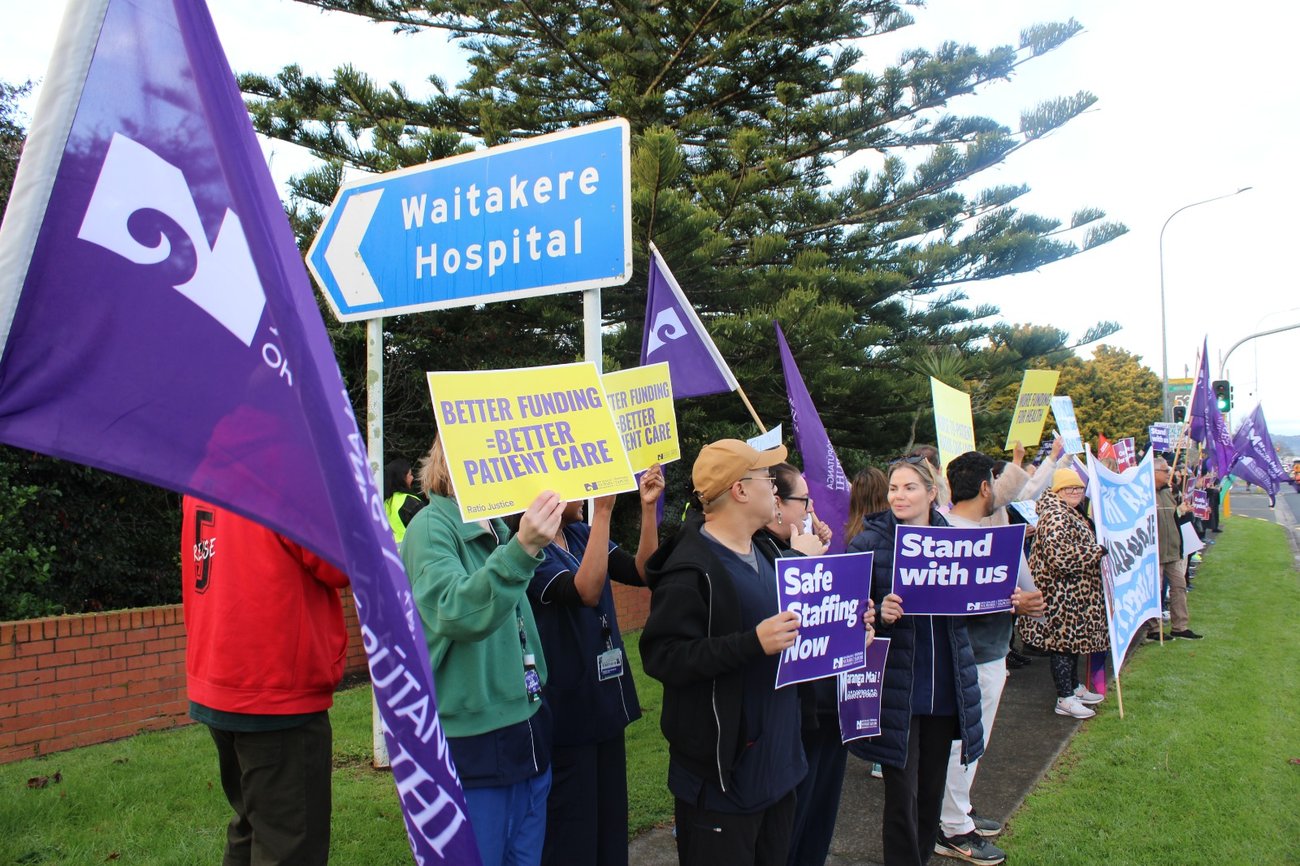
Hundreds of locals turned out for a public hui in Henderson on Thursday night to support Waitākere health workers and hear concerns about short staffing and underfunding at the hospital.
The hui followed revelations that only 11 beds in a previously promised 30-bed new ward are to be initially funded by the Government and media reports that chronic understaffing in the Muriwai stroke ward is putting vulnerable patients at risk.
A big mihi to the NZNO delegates who gave heartfelt and moving speeches. The incredible turn out last night reflects growing public outrage at the crisis in health care which is now hitting all sectors of our health system.
Hui-ā-tau underway in Tamaki Makaurau
Nurses and tauira from around the Aotearoa are in Auckland this weekend for the annual Te Rūnanga o Aotearoa Hui-ā-tau and Indigenous Nurses Aotearoa Conference. The event at Te Mahurehure Marae in Tāmaki Makaurau got underway today following a tauira Hui-ā-tau and professional development day yesterday.
This year’s theme is Huraina Te Matarau and is about unmasking the many faces and layers that people carry through life to survive, belong, or succeed – and how they reconnect with the essence of who they truly are.
Events over the next few days include a celebration of Māori nursing with the 9th annual Pharmac Tapuhi Kaitiaki Awards – Māori Nurses Awards – on Saturday night and on Sunday the 2027 recipient of Te Akenehi Hei Memorial Award will be announced.
I attended the hui this morning and it was impressive in numbers and passion about what needs to be fixed in health and in our society. I was asked to speak to the hui this morning and amongst other things we had a great discussion about what we call the ‘chain of causation’ reaching from matters recommended to be addressed by the Royal Commission into Abuse in care, mental health capacity and capability and the end of the chain – Corrections. This chain is particularly acute for Māori who are overrepresented in each stage of that chain. NZNO is committed to breaking that chain and addressing the issues raised by the Commission, that face us in Mental health and working with other groups as well as our nurses in Corrections on the fixes.
Disability services day of action tomorrow
Finally from me this fortnight, a National Day of Action will be held tomorrow in protest to the Coalition Government’s controversial Disability Support Services (DSS) Bill. The legislation is an attempt to reverse the Supreme Court’s decision that family care is real work.
The proposed law would allow the Government to deny it is the employer and blocks carers’ employment and discrimination claims. It is a cynical attempt from the Government to protect itself from the true cost of care. Family carers are not free labour.
There will be rallies and hīkoi are across Aotearoa tomorrow in eight cities. If you are able, please attend to show your support, and take your friends and whānau.
Have a lovely weekend everyone.
Ngā mihi,
Paul Goulter, chief executive
Tōpūtanga Tapuhi Kaitiaki o Aotearoa NZNO |
|
|
|
|
|
In this member newsletter |
|
|
|
|
|
|
|
|
Members across the motu take action big and small every day. Below are some highlights:
This fortnight members at Total Care Health took strike action on Friday 7 August. They’ve been in bargaining since November 2025, and keen to see an improved offer form Total Care that respects the important mahi they do in the community. Mediated bargaining is set for 27 August – watch this space! |
|
|
|
|
|
|
|
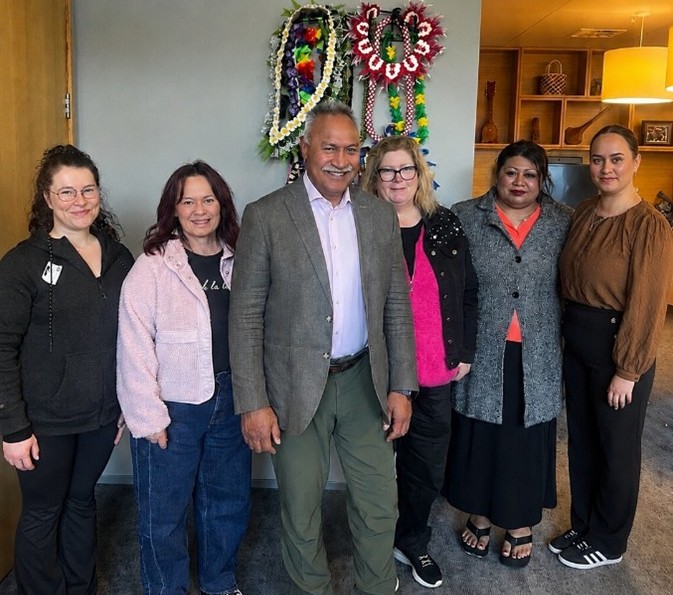
On Friday 31 July Te Whatu Ora Delegates from Hutt Hospital met with the mayor of Hutt City, Ken Laban. The delegates had initiated this after recent bad weather events had exposed the Hutt Hospital building to be the subject of many leaks and failing infrastructure.
Delegates were concerned at the terrible conditions patients and staff are regularly confronted with and the apparent lack of a longer-term vision to have a purpose-built new facility. The mayor listened to their concerns and acknowledged the frustration of workers and agreed to escalate to at least fond out the long-term vision for Hutt Hospital. |
|
|
|
|
|
Registered Nurse and proud Tōpūtanga Tapuhi Kaitiaki o Aotearoa NZNO delegate at THINK Hauora Palmerston North, Lupe Kelekolio has 19 years of service at THINK Hauora and over 40 years within the Palmerston North community.
Lupe is leading negotiations on behalf of her colleagues to fiercely advocate for pay parity with Te Whatu Ora rates.
Despite representing an experienced team, Lupe and her colleagues are currently paid 7% less than her counterparts at Te Whatu Ora.
Lupe is proud of her mahi, especially as a Pacific nurse and has served her local community diligently. Now it is time that she and her colleagues are recognised, valued and paid fairly!
A big mihi to you Lupe for your union leadership! |
|
|
|
|
|
|
|
Joint NZNO-Te Whatu Ora work programmes that arose from this year’s collective agreement negotiations (full details in the Terms of Settlement)
In this year’s bargaining NZNO members won provisions that require ongoing joint work by NZNO and Te Whatu Ora that will be progressed through a number of work programmes. Many of these work programmes are related to addressing understaffing, a key issue in the negotiations. Work is now underway on these workstreams with NZNO being represented by member leaders from the National Delegates Committee, Bargaining Team or relevant college/section, and supported by NZNO staff. We will keep members updated as these workgroups progress.
- Health Care Assistant role and professional development review programme
This group had its first meeting this week to outline expectations and aspirations for this programme. The purpose of the health care assistant role and professional development review programme is to consider the role of health care assistants within Te Whatu Ora and to align professional development with the role. This will enable consistency in the work performed, supported by relevant professional development to improve patient and staff outcomes. The timeframe of the programme will be the term of the collective agreement, with a review after 9 months (January 2027). See the Terms of Settlement for more detail about this review. Following this week’s meeting a project plan is being drafted.
- Safe staffing - Establishing the new escalation pathway training and implementation of new chronic staffing issues resolution process
This group will have its second meeting this coming Monday 17 August. The purpose of the meeting will be to discuss the implementation of a pilot programme for the new escalation pathway (page 66 of the collective agreement).
- Mental Health Workforce Support
This group had its first meeting on Friday 14 August. The purpose of the group is to address staffing challenges and ensure quality and safety across mental health services. Key workstreams will include: quality and safe staffing, violence and aggression management and recruitment and vacancy management. |
|
|
|
|
|
|
|
Great news from Corrections, it’s now a month since the introduction of a sixth step for enrolled nurses and a third step for senior nurses and we’re beginning to see members moving up to these new steps introduced at the last bargaining round. We’re currently surveying members for claims and nominations for this years’ bargaining round.
We hope to get all our prep work done in August so we’re ready to initiate the process.
The current CA expires on 1 December, so we can initiate at the start of September and we hope to have Corrections around the table as soon as possible after initiation. The working groups we agreed last bargaining are all underway, with some already providing recommendations for the bargaining this year. If we want to continue the momentum and get more wins under our belt, we need a strong bargaining team and a strong suite of claims that are fully backed by the membership.
College of Primary Health Care Nurses Symposium 2026
This great event, organised by the College is happening on 9 and 10 October in Christchurch at the Novotel. It has a packed, relevant programme for all primary health workers.
Register as soon as possible, spaces are limited.
Register here: https://web.cvent.com/event/a95cd88f-3a54-4097-b565-656a96ceddcb/summary
PHC MECA employer advocates responded to our proposed MECA after 56 days (8 weeks). It took us a matter of days to fully analyse their responses and prepare our position on each point, and we’ve told them we’re ready to negotiate when they are. Obviously, the delays in this bargaining aren’t at the NZNO end.
We currently are trying hard to set dates for the next round of negotiations, and it is currently likely these will occur at the start of September. We have asked for two full days, but the employers are not keen on that proposal and are only willing to commit to a single day. If no progress is made at the next day of negotiations, NZNO will be exploring our options under the employment legislation to force some progress to be made, including mediation, and if required, facilitation.
Mediation date has been set for Sexual Wellbeing: 17 August in Auckland.
Mediation date has been set for Plunket: 18 August in Wellington.
We are hopeful to be able to bring an offer out to members after these mediations. Both of the negotiations are stuck on the pay increase and both teams have been staunch in trying to secure a pay increase above CPI and that also closes the gap on Te Whatu Ora for our members.
We sent comms out to members at Access Community Care last week. Their fellow workers at Total Care are striking for better pay. We were informed that Access were asking their staff to cover the work done by Total staff who were striking. It is unlawful for an employer to get workers who they do not employ to cover the work of striking workers. Although Access and Total share the same shareholders and CEO, they are separate business entities. Total Care are refusing their workers the same pay deal that was given to Access earlier this year.
At Plunket we’re putting together an open letter to Winston Peters. He campaigned on funding for Plunket, and it is in the coalition agreement, but the last budget saw nothing for them. We’re aiming to collect 500 Plunket signatures… https://maranga-mai.nzno.org.nz/open_letter_plunket. Closes 14 August so we can get this to Minister Peters before parliament dissolves at the beginning of October.
Health Care NZ bargaining has been initiated. We have a great bargaining team this year with a mix of experience and new delegates. We’re currently polling members to endorse the team and the claims so we can commence bargaining. |
|
|
|
Pay equity in the funded sector |
|
|
|
|
|
We had our days in court in the week of 4 August when the Wellington High Court heard NZNO’s challenge to the Government’s 2025 overhaul of the Equal Pay Act and whether it is consistent with the Bill of Rights.
The decision was predictably reserved but we remain hopeful of victory over this injustice.
Outside of the court in the early hours of 4 August, members from the five unions behind the claim – NZNO, the PSA, the PPTA, TEU, and NZEI Te Riu Roa – and supporters braved bitter cold 0°C temperatures to rally in support. Heartwarmingly, they were joined by a diverse group from school kids to our senior community members.
NZNO is challenging the Government's gutting of New Zealand's once world-leading pay equity scheme changes because our members have the right to be paid fairly. We have the only live pay equity claims progressing under the amended law for Bupa, Plunket and hospice members.
Read more in Kaitiaki |
|
|
|
|
|
Private Hospitals and Hospice Sector |
|
|
|
HOSPICE
Arohanui
We are returning to negotiations next Wednesday, 19 August.
Hospice MECA (Rotorua, Taupō, Eastern Bay of Plenty and Marlborough
Rotorua and Eastern Bay of Plenty have voted on the offer. Marlborough will vote on the offer over this weekend, please check your inbox.
Mercy
Mercy has provided a new proposal, and the union is working on a counter proposal.
Taranaki
We will reconvene negotiations in the second week of September, when the Chief Executive returns.
Te Omanga
The negotiation team are working on the next steps for negotiations.
PRIVATE AND NGO HOSPITALS
ABI / Evolve Rehabilitation
We are voting on the employers offer next seek. Check your inbox for meeting times across the country.
Braemar
We had great attendance at this week's members meetings to discuss the company's offer. We are running a short vote on the offer over this weekend due so we can meet the company's timeframes.
Evolution
We are booking in claims meetings for Wakefield and Bowen on Monday 24 and Tuesday 25, August. Royston meetings will be held on Thursday 27, August. Meeting times will be announced shortly. Negotiation dates have been pencilled in.
Grace
We are waiting for a response from the company. We are also hoping for news about the outcome of the TSU strike.
Kensington
We are in negotiations today, Friday 14 August.
St George’s
We are returning to negotiations on Thursday, 20 August.
PRIVATE HEALTH
New Zealand Clinical Research
It is taking longer than expected to work through a comparison of the proposed new IEA and the collective agreement. This requires careful reviewing of every line of each agreement to work out the intricate legal differences between the two. |
|
|
|
|
|
Our leaders speak: President Anne Daniels – Integrity – the foundation of trust |
|
|
|
Integrity is more than being honest, it’s about speaking and acting in a way that is consistent with your values. This is particularly important when you are in a position of leadership.
Integrity is the foundation of trust in relationships, it builds credibility and is characterised by transparency and accountability. Ethical leadership isn’t just a nice-to-have—it’s essential. With the power of social media, unethical behavior is hard to hide. And when it does come to light, the fallout is swift. |
|
|
|
A recent interview of Minister of Health Simeon Brown, by investigative reporter Jack Tame was one such example (Simeon Brown: Energy prices, hospital pressures, and National's polling - for hospital pressures start at 17 minutes 40 seconds). This blog is a summary of what was said and what wasn’t.
ED Corridor Care: What he said…
Minister Brown stated he is focused on delivery and improved patient outcomes. He said… finances are important, but the most important thing is that patients are being seen faster. When confronted with the fact of increasing ED corridor care, he said he didn’t want it happening, and that ED wait times targets were improving.
What he didn’t say….
That the annual number of patients presenting to Emergency Departments in 2021 was 752,000 approximately. In 2025, 1,305,000 patients presented to EDs. In other words, the workload has doubled in just under four years. While this is clearly not a new problem, in the last three years, corridor care in EDs have become the norm. Hospital corridors were never designed to provide patient care but this an avoidable reality of overcrowded hospitals and a serious threat to patient safety and a real risk to nurse registration when things go wrong. As such, EDs regularly run over capacity. Wellington hospital, a case in point, saw the department running at 223% over capacity recently.
‘Gaming’ to hide the truth, abounds. Shifting patients here, there and everywhere has become another part of ED nurse’s workload. In recent months the number of Surgical and Medical Assessment Units have increased around the country whereby ED patients are shifted to these areas, and this is why the Minister was able to say that the wait times ‘to be seen’ have slightly reduced. Patients, wait, instead in these units to be seen.
2100 nurses recruited: What he said….
A total of number of 2100 additional nurses on top of the nurses we had in 2023 have been recruited to Health New Zealand.
What he didn’t say…
That there is a vast difference between the number of nurses recruited and the FTE that have been hired. The Minister refused to acknowledge that the actual total nursing FTE has increased by only 54 FTE in the same time period. The claim that nurse numbers were increasing was also challenged in a recent paywalled article in The Press (28 July 2026) by health economists who found that “the number of nurses has barely changed in two years”.
1400 nurse vacancies (Health New Zealand): What he said…
That Health New Zealand was recruiting as evidenced by the 1400 nurse vacancies currently on the organisation’s website.
What was not said….
That nurses have been managing with unfilled vacancies for some time, contributing to unsustainable workloads. Yet 40% of our recent new nurse graduates cannot get jobs. It just doesn’t add up.
That vacancies being advertised are only budgeted vacancies, they do not reflect need.
And the need is huge and growing. Last year, after finally getting the Ombudsman involved, Te Whata Ora’s own data demonstrated that every hospital shift was, on average, short 587 nurses, rising to 937 nurses on some shifts in 2023. God knows how many nurse FTEs are now missing in action in 2026. The gaps are being filled by nurses fielding constant texts asking nurses to come back to work and consequently working on their days off, doing overtime, double shifts, missing meals breaks, while also being rewarded by having mandatory and service education cancelled constantly, education that ensures that nurse’s knowledge and skill remain current and competent.
When leadership goes wrong—whether it’s outright unethical or simply a lack of ethics—the consequences ripple far and wide. These leadership failures can lead to toxic work environments, loss of trust, and avoidable harm. But it doesn’t have to be that way.
Last week Paul Goulter, Kerri Nuku and I met with the health minister. We made mention of the need to monitor patient outcomes alongside his system targets, as this appeared to be his priority. We asked that the Clinical-quality-and-safety-review.pdf completed in 2023 be continued so that ‘improved patient outcomes’ could be tracked alongside nurse FTE. He told us that he will take advice on that request. For me, it is well past time to call for an urgent workplace safety investigation into the growing practice of treating patients in hospital corridors. It is my belief that a major patient safety debate is unfolding. It cannot wait for yet another to die in an ED wait room.
To that end, we are in dire need of a government that has integrity and a government we can trust. 7 November 2026 – here we come. |
|
|
|
|
|
|
|
By Cathy Leigh
The July Forums proved to be very successful, with full capacity crowds at both the Christchurch and Auckland venues. There were around 220 attendees in person and a further 160 attending via the online streaming option.
The programme featured guest speakers from Age Concern, Nursing Council of New Zealand and the Health and Disability Commissioner. There was also a session on the current and emerging use of AI in healthcare, raising awareness of new tools and the associated benefits, risks and accountabilities. The professional services team provided an overview of the revision of NZNO’s Code of Ethics, with an emphasis on advocacy, linking it clearly to nursing practice.
The presentations by NZNO’s medico-legal lawyers on the complexities of unsafe staffing and informed consent/substituted decision making were very well received, with relevant scenarios illustrating professional and legal obligations. The open Q&A session at the end was highly engaging and valued by the audience.
The attendees appreciated the opportunity to engage with the speakers and gain confidence to address the contemporary challenges for the nursing profession.
The collective sense of purpose and urgency around protecting the work of the profession in keeping health consumers safe was motivating and an endorsement of NZNO’s mahi.
The kōrero with attendees at the lunch break and as the day wrapped up was enthusiastic and the evaluation feedback from both Forums was overwhelmingly positive. We are delighted to work in with our members and ensure this professional development was relevant and useful. |
|
|
|
|
|
|
|
Total Care Rotorua delegate Krystal Lewis has been busy in the media bringing their issues to light. |
|
|
|
RNZ, 14 August 2026
Checkpoint RNZ, 13 August 2026
1News , 13 August 2026
NZ Doctor, 13 August 2026
The Panel featuring Anne Daniels
The Panel RNZ, 12 August 2026
‘Waiting room roulette’: Why veteran ED nurse is walking away from Christchurch Hospital
The Post/The Press, 11 August 2026
Community nurses draw a line: Low pay pushes frontline workers to strike
Waatea News, 10 August 2026
Simeon Brown: Energy prices, hospital pressures, and National's polling
Q+A with Jack Tame, 9 August 2026
It’s ‘a song and a prayer’: hidden cost of 1,300 unfilled nursing jobs
Otaihanga Second Opinion, 8 August 2026
Total Care Health nurses strike in North Island over pay offer
Waikato Herald, 7 August 2026
Nurses working for Total Care Health go on strike
RNZ, 7 August 2026
Simeon Brown’s Nursing Council pick mocked assistant as ‘bull frog’, court found
The Post, 31 July 2026 |
|
|
|
|
|
Grow yourself professionally by joining NZNO's colleges and sections |
|
|
|
Colleges and sections are central to NZNO’s success and influence and brings together groups of members who are focused on a specific nursing specialty.
So far only less than 20% of members have elected to join a college or section, and we'd like to see you grow that number. NZNO colleges and sections can help you advance your practice through policy and professional development opportunities, and membership at most colleges and sections is open and free to NZNO members.
There’s bound to be one for every member as there are 19 colleges and sections across a range of specialty areas and members can choose to belong to as many as three. Individual membership choices are usually related to clinical specialty and/or study and research interests.
Check out our colleges and sections here. Which one(s) will you join? |
|
|
|
|
|
Primary Health Care Symposium |
|
|
|
|
Southern Enrolled Nurse Study Day
The Southern Region Enrolled Nurse Section invites you to attend our 2026 Study Day.
When: Saturday 17 October 2026
Where: Hutton Theatre, Tūhura Otago Museum, 419 Great King Street North Dunedin
NZNO member & ENS Member: $70.00
NZNO member but non ENS Member: $80.00
Non NZNO Member: $90.00
Contact Robyn Hewlett: robyn.hewlett@xtra.co.nz |
|
|
|
|
|
|
|
|
|
Unemployment rate highest in more than a decade – labour market in crisis |
|
|
|
Today’s unemployment rate of 5.6% is the highest rate in more than a decade and shows a labour market clearly in crisis says Sandra Grey, President of the NZ Council of Trade Unions Te Kauae Kaimahi. |
|
|
|
“The data shows that we had 171,000 people unemployed in the June quarter, and the last time the unemployment rate was this high was September 2015. The number of people unemployed for more than six months was 69,300 – 40 percent of all those unemployed. This is an economy in the grip of an employment disaster, and the Government needs to get a grip.
“Just about every indicator that could get worse, is now worse. Inflation is at 4.1%, but 74% of workers got a pay rise less than 3%, and 44% of workers saw no pay rise at all. A full-time worker on the average wage is now worse off in real terms from last year. Workers in both the public and private sectors are worse off than they were a year ago. When there are more workers chasing fewer jobs, workers lose the power to bargain. That is not an accident of the market – it is the predictable result of choices this Government has made.
“The problem of youth unemployment continues. According to StatsNZ there was a 19.5% increase in the number of unemployed 15-24 year olds this year. Māori and Pacific Peoples unemployment rates are still double the rate of the general population. Altogether, there were 4.8m fewer hours worked in the economy last year than was the case in December 2023.
“There are now 440,000 people underutilised in New Zealand, which is up 32,000 in just three months. This is the broader measure of labour market capacity and tells us that the headline rate of unemployment is hiding the true scale of worklessness.
“This Government asked for three years to fix the economy. Yet here we are with the unemployment rate at decade long highs, inflation at 4.1%, wages going backwards in real terms, and thousands more people on Jobseeker Support. Is this what being ‘back on track’ looks like?
“We do not have to accept this. Aotearoa can choose a government that lifts wages instead of suppressing them, that invests in the jobs of the future instead of cutting them, and that treats full employment as something worth working for. That choice is on the ballot on 7 November.” |
|
|
|
|
|
ICN launches Learning Hub |
|
|
|
The International Council of Nurses (ICN) has launched the new ICN Learning Hub, making outstanding learning, evidence and good practice from the ICN Congress available to nurses around the world.
The Learning Hub launches with more than 100 carefully selected and edited videos from the ICN Congress 2025 in Helsinki, which brought together around 7000 nurse leaders from across the world.
The content is organised into eight learning tracks covering major issues affecting nursing and health today, including leadership, workforce policy and safe staffing, digital innovation and artificial intelligence, advanced practice, education and mentorship, mental health and wellbeing, humanitarian response, and the image and identity of the nursing profession. Many of the learning modules also offer ICNEC continuing education credits.
Read more |
|
|
|
|
|
Aged Care Association Conference 2026 |
|
|
|
|
|
The programme features leaders from New Zealand and overseas sharing practical insights on topics including dementia, rehabilitation, technology, leadership, workforce, design and new models of care. It's also an opportunity to connect with colleagues from across aged residential care and the wider health sector, and hear different perspectives on the future of care.
Register here |
|
|
|
|
|
Waikato University nurses' survey |
|
|
|
|
|
|
|
|
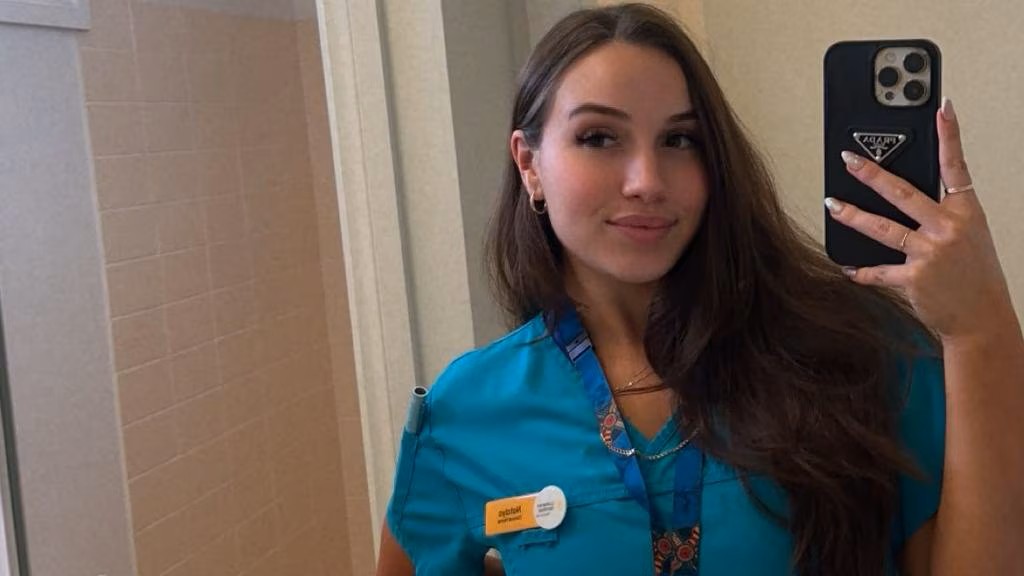
Former nurse Natalya Tramoundanas may have stayed in the industry with the right support. Story below. |
|
|
|
|
|
|
|
|