|
|
|
Member Newsletter/Pānui 17 July 2026 |
|
|
|
|
|
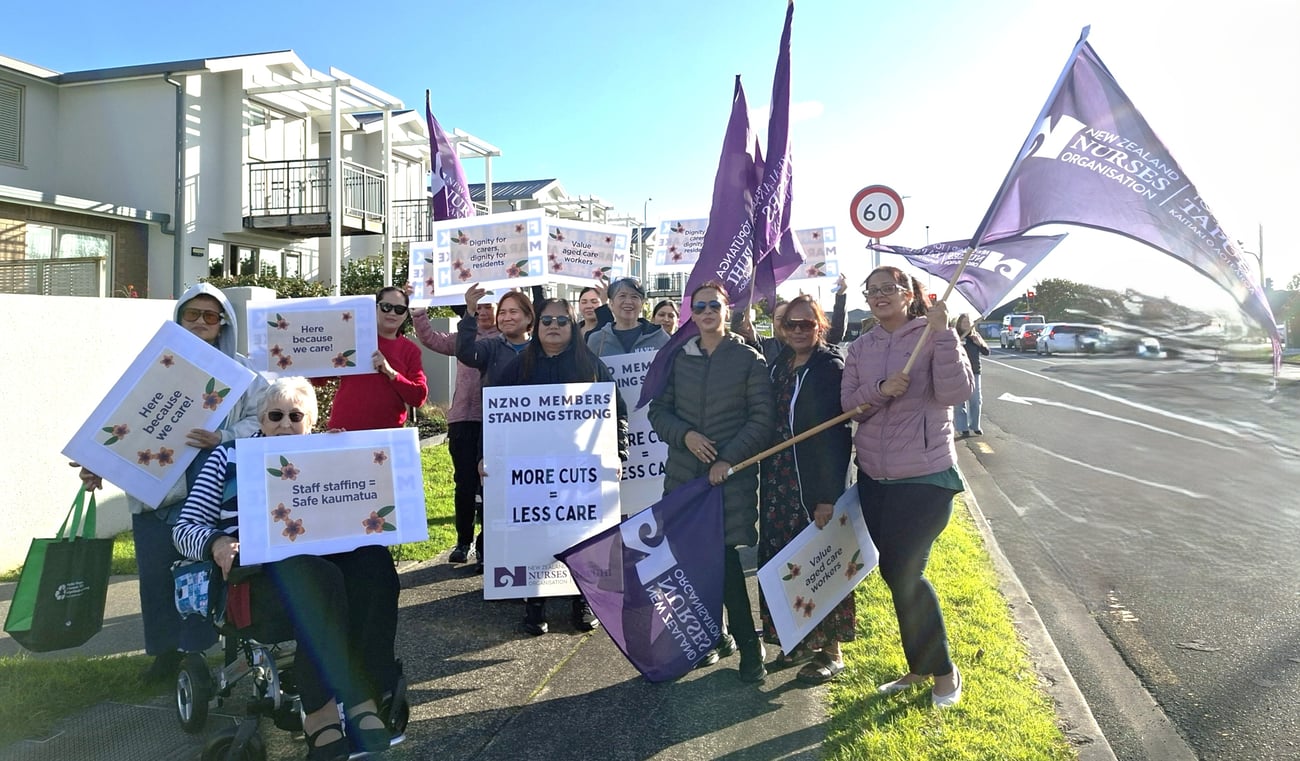
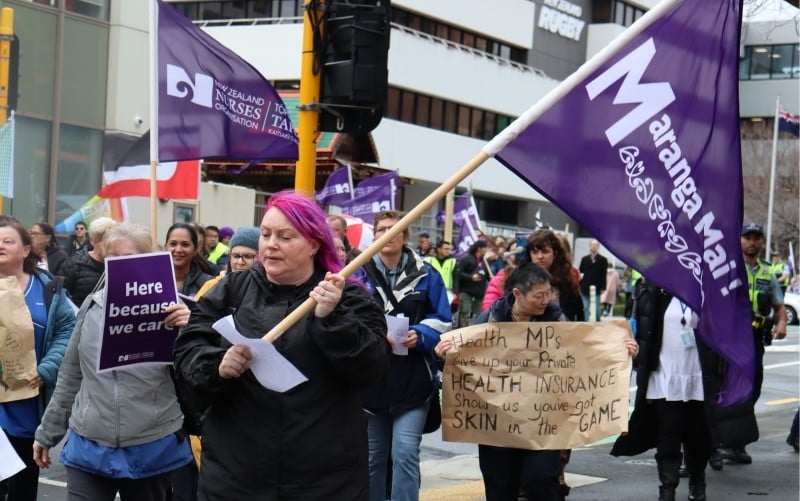
Summerset by the Park members in Manukau made their feelings known during a Wednesday morning picket this week.
Kia ora member
Summerset members throughout the country came together on Wednesday for a nationwide Day of Action to support their bargaining team. There were colourful and informative actions including pickets (see photo above), a public hui in Taranaki and a fun joint in-person and online sing-along.
The visibility and solidarity of the Day of Action sent a powerful message to Summerset and helped achieve an improved offer when the teams went back into bargaining yesterday. Details about this are in the aged care sector wrap below.
Primary Health Care members hold the line
It's been a tense fortnight at the bargaining table for our primary health care teams. Sexual Wellbeing Aotearoa members rejected a 2.5% and 2% offer after a fraught day of negotiations. They are now discussing balloting for strike action and have applied for mediation.
Plunket has moved from 2% to 2.25%, and now 2.5% with mediation set for 18 August. Like many health providers, Plunket isn't “funded properly” to provide their services despite it being a specific part of the NZ First coalition agreement with the National Party.
Meanwhile, PHC MECA employer advocates are still working through our proposed document, after asking for extra time to respond. A further meeting is now set for the week of 20 August, and we'll let members know exactly what's accepted or rejected as soon as we hear.
Te Whatu Ora payments rolling out
We are pleased that members in most Te Whatu Ora districts have now received their lump sum payment under the Collective Agreement, with many staff due to get theirs today.
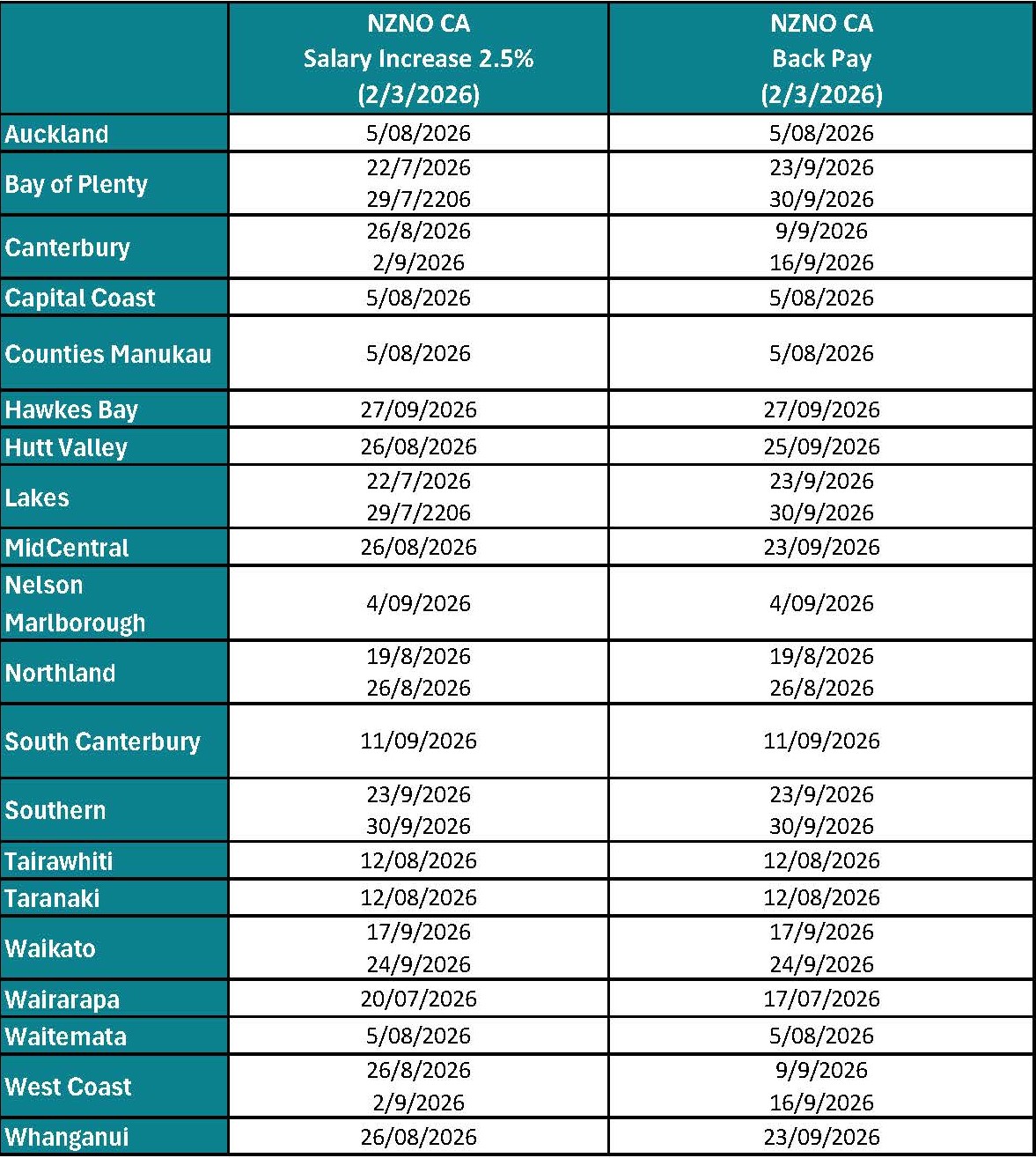
Next month salary increases will start to be rolled out, many with backpay expected to be made at the same time, or shortly before or afterwards. Please see the table below for the full payment schedule for your district’s timetable.
Discussions with Te Whatu Ora around the work programme to research culturally appropriate nurse-to-patient ratios are continuing. Ensuring these ratios are enforceable is a key component of this work from NZNO’s perspective.
We have described to Te Whatu Ora the research we consider necessary for this work programme. That is for it to provide information about current baseline staffing levels and their impact on patient care, provide a way to evaluate the effectiveness of any future changes in terms of patient outcomes, the financial implications, and staff outcomes. It would also inform (but not determine) what staff-patient ratios could be used in the future.
Changes to nursing regulators before Parliament
The Health Practitioners Competence Assurance Amendment Bill has been introduced to Parliament and could have its first reading next week. From there it will go to the Health Select Committee which will call for submissions.
NZNO has considerable concerns about this proposed legislation including that it would increase Ministerial powers over regulators such as the Nursing Council, weakening its independence and raise the risk of political interference over decisions which affect patient safety. There will also be a new review committee with the power to review registration decisions and a new accountability framework for regulators.
NZNO has begun work on its submission and will be working with Colleges and Sections to support theirs. We will also be providing advice to members who want to make their own submission. It is important that everyone who is concerned about these proposals has their say.
There are no confirmed dates yet for written or oral submissions, but we are asking members to consider making a submission as the proposed changes are significant.
Get involved and send your feedback to policyanalysts@nzno.org.nz
Meanwhile, the Healthy Futures (Pae Ora) Amendment Bill passed its third reading on 30 June. This new law reduces the equity-focused provisions of the original Act and shifts the Te Tiriti o Waitangi focus away from partnership and explicit health equity objectives.
NZNO’s view is this a shortsighted and ideologically driven move as improved Māori health outcomes are better for all New Zealanders, the economy and a key responsibility of the Government.
Muriwai stroke ward to take health and safety strike
Fed up with chronic, ongoing and dangerous understaffing, members at the Muriwai Ward will undertake a one-hour health and safety strike next Friday morning. Muriwai is a stroke ward at Waitākere Hospital in West Auckland and cares for high-needs and vulnerable patients.
Concerns about short staffing at the ward were highlighted in a frontpage story in the NZ Herald in May but despite that, have not been addressed by Te Whatu Ora.
ACC Specialists to strike
The Association of Salaried Medical Specialists’ ACC members will also take strike action next week after receiving a 0% pay offer. Their other outstanding bargaining issues are around their right to take personal grievances and ACC’s refusal to provide protection for those who speak out despite it being recommended in a culture review.
Members will withdraw their labour for several hours on Monday (20 July), and again on Wednesday 29 July and Friday 7 August. Pickets will be held this Monday from midday to 12.30pm at these locations:
If you’re available, please attend to support ASMS and show solidarity to their members who have supported our strikes.
NZNO’s social election campaign to launch next week
Finally, from me this fortnight, next week we will be launching our social media election campaign on our three social channels: Instagram, Facebook and TikTok. Please look out for our content and share it with your friends and followers.
Have a good weekend. I’m sure some of you will be looking forward to the kids going back to school!
Ngā mihi,
Paul Goulter, chief executive
Tōpūtanga Tapuhi Kaitiaki o Aotearoa NZNO
|
|
|
|
|
|
In this member newsletter |
|
|
|
|
|
|
|
|
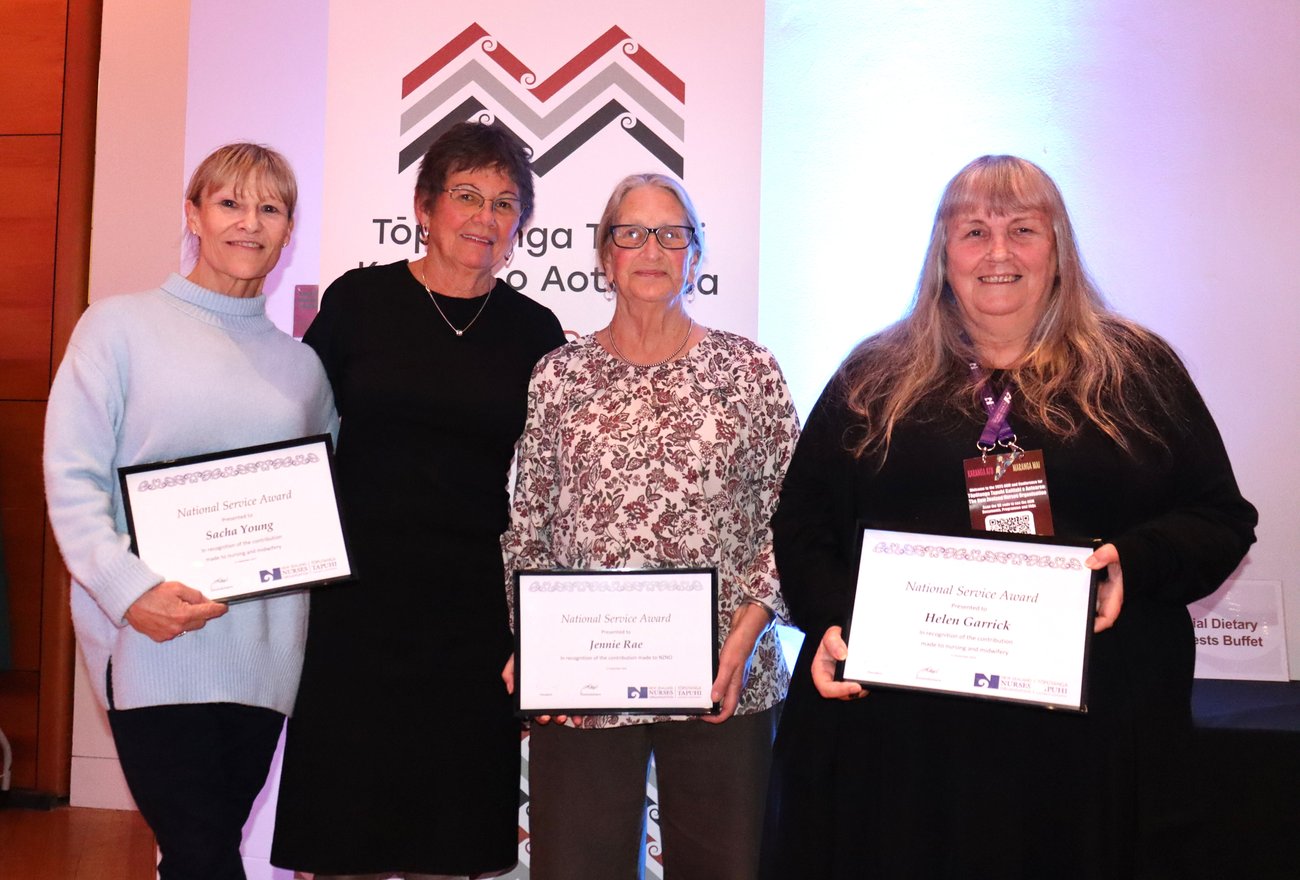
NZNO Awards nominations close soon |
 |
|
|
|
2025 NZNO Award winners from left to right: Sacha Young, Sandra Corbett, Jennie Rae, and Helen Garrick. |
|
|
|
|
|
|
|
|
|
Otara Family and Christian Health Centre |
|
|
|
This past fortnight has been high energy as members took different actions across the motu.
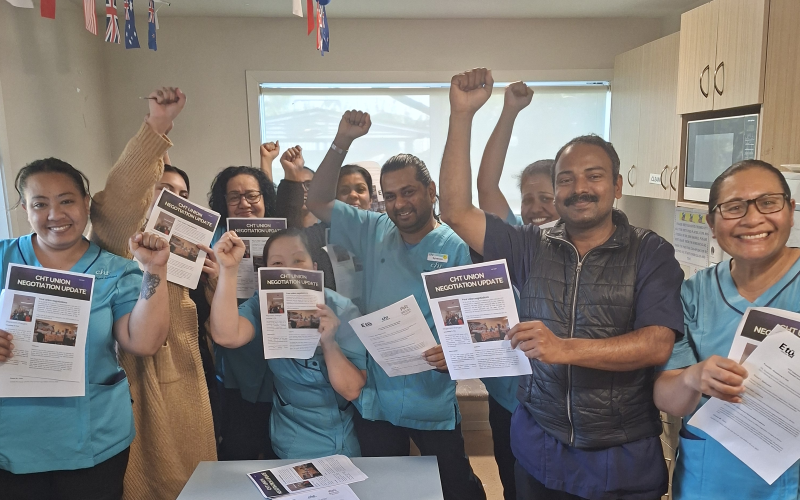
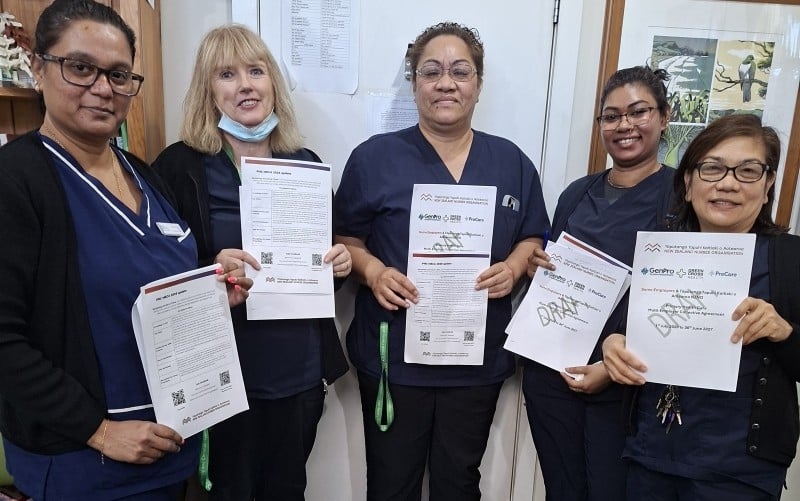
Primary Health members at workplaces covered by the MECA continue taking photos in support of their bargaining claims, Metlifecare and Heritage members are developing their claims and getting ready for their bargaining, while group of members at Te Whatu Ora are planning what action they can take to win safe staffing levels on their wards. To get involved in any of these actions, talk to your workplace delegate.
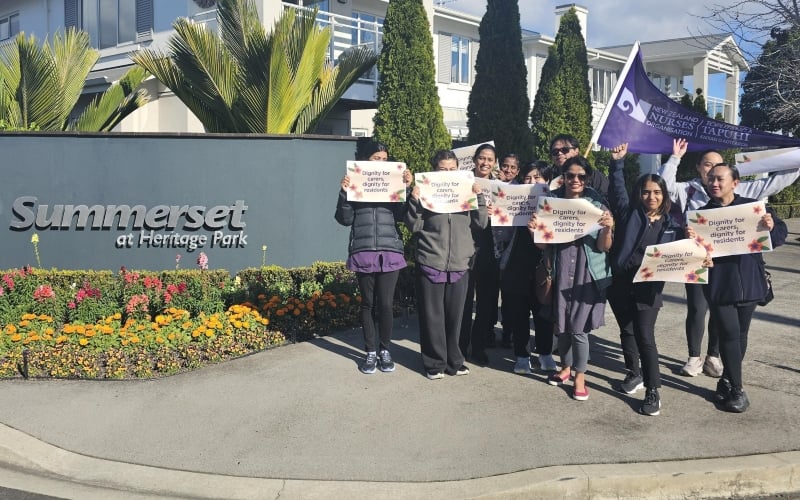
A highlight of this week is the creative actions Summerset members organised outside their facilities, in the community and online to support their bargaining team to push for a fair share of the Government funding uplift.
Mānawatia Matariki – enjoy time with your friends and whānau!
|
|
|
|
|
|
Te Whatu Ora collective agreement implementation
Some members have received their lump sum payments while all districts are due to complete lump sum payments by the end of this month.
Below is the full payment timetable:
|
|
|
|
|
|
|
|
Bargaining is the gift that keeps on giving.We’re currently in bargaining processes with Plunket, PHC MECA, Sexual Wellbeing Aotearoa and Healthcare NZ.
We did manage to settle the NZ Blood Service bargaining maintaining parity with the Te Whatu Ora CA.
Plunket’s offer has increased from where we started discussions. However, the bargaining team are still not |
|
|
|
comfortable taking an increase of only 2.5% to members as this does not reach CPI or show that Plunket are willing to close the gap with other nurses, such as the Te Whatu Ora, Corrections and NZBS nurses. As a result of this impasse, we have agreed to attend mediation with Plunket to break the deadlock.
The PHC MECA employer advocates have still not managed to respond to our proposed draft MECA document, despite asking initially for a 2–4-week period to respond. It has now been seven weeks by my count. This isn’t particularly surprising as they delayed for months last time we negotiated as they do seem to have issues working together across their various constituencies.
Meanwhile, at Sexual Wellbeing Aotearoa, bargaining has also reached an impasse. They have explained their financial situation to us and have chosen to make a small offer across two years, meaning members would remain below living wage and the pay gap would open even further between them and colleagues at other employers. Today we invited SWA to attend mediation, which they agreed to.
A letter initiating bargaining was sent to Healthcare NZ today. The CA expires on
1 September. The letter went out at the same time as the survey for members to raise claims and nominate their colleagues for the bargaining team.
Meanwhile, the PHC National Delegates Committee met for their first in-person meeting last week. It was a great day where the team met and discussed plans, actions, and expectations for their work with a whole load of different parts of NZNO.
We spent time with finance, Te Poari, the president and national secretary, the director of organising, campaigns, pay equity advisor and the social media team. I think the NDC delegates learned a lot and the energy in the group seemed to grow as the day progressed. There are still vacancies for the NDC. If you’re interested in standing in South Island, Midlands or Auckland/Northland, feel free to contact NZNO or your local organiser. |
|
|
|
|
|
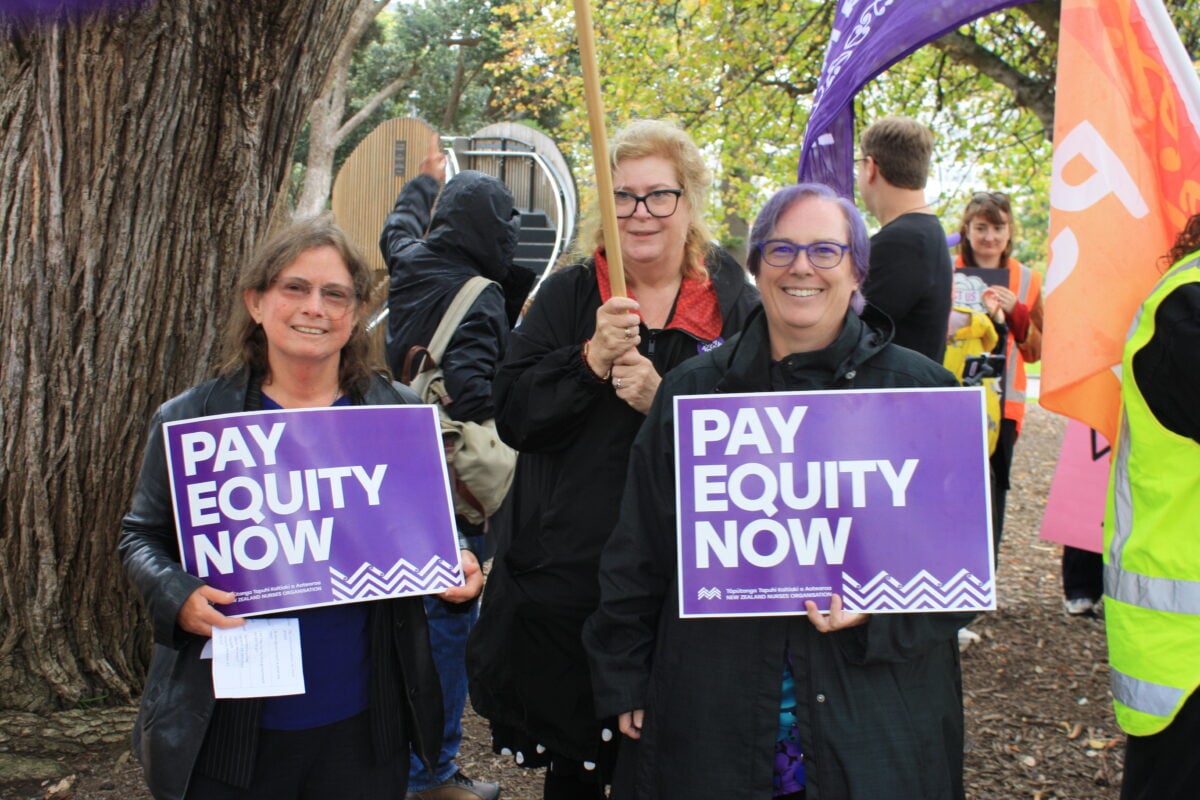
Pay equity in the non-Te Whatu Ora sector |
|
|
|
What NSW nurses won and what it means for our Pay Equity Campaign
More than 60,000 nurses and midwives in New South Wales have won pay increases of up to 28% after a landmark decision by the NSW Industrial Relations Commission. |
|
|
|
The Commission found that nursing work had changed significantly over time, jobs had become more complex, responsibility had increased, and the demands on nurses and midwives had grown, but pay had not kept up.
The Commission agreed that this work had been undervalued.
This matters to NZNO members because the same issues exist here.
Across Aotearoa, nurses are caring for people with higher acuity, managing more complex care, and taking on greater responsibility than ever before. Yet in many parts of our health system, pay still does not reflect the value of that work.
The NSW decision is especially relevant for sectors like aged care, hospice and community nursing, where many NZNO members work and where our current pay equity claims are underway.
The outcome in NSW also shows that change doesn't happen overnight. Nurses and midwives campaigned for years, took industrial action, accepted an interim pay increase, and kept fighting until they secured a lasting result.
Our pay equity claims at Bupa, Plunket and Hospice are following a different legal process, and New Zealand's laws are more restrictive. But the principle is the same: work that has been historically undervalued deserves fair pay.
The NSW result is a reminder that when nurses organise, stay united and keep the pressure on, change is possible.
Read more about the NSW decision here: https://womensagenda.com.au/politics/nsw-nurses-secure-landmark-pay-rise-after-years-long-fight-over-undervalued-work/ |
|
|
|
|
|
|
|
Summerset Community meeting in New Plymouth on Wednesday where good, robust discussions took place. Family members of residents from Mountain View made up the highest number of attendees. |
|
|
|
Thank you to everyone who took part in Wednesday’s Day of Action in support of your bargaining team. Your visibility and solidarity sent a strong message to the company and demonstrated the importance of achieving an improved settlement.
As a result of bargaining yesterday, the company has improved its offer by increasing the one-off payment from $375 to $575 for union members only. While this is a positive move, the remainder of the offer remains unchanged. We will send a ballot to members next week so you can have your say on this offer.
We are pleased that we have secured an agreement to continue bargaining your 2026 collective as soon as our ratification process and claims processes are complete. This would allow us to keep the momentum going and continue advocating for improvements on your behalf.
Bupa
We held collective bargaining on 30 June and 1 July, having shared our claims on 22 June. After two days of discussions, we now have an offer from the employer. We are still finalising a Terms of Settlement and an updated Collective Agreement. Once that is complete, we will be holding onsite ratification meetings for a four-week period.
Oceania
Oceania has undergone change proposals at a number of sites this year. The Lady Allum site is piloting our new review process of these changes. The company is now focusing on Eden and Bayview and our organisers are supporting members to share their feedback on the changes.
Heritage
We are bargaining Heritage next week. We have set aside 20 July for WPA negotiations and 21 and 22 July. Our bargaining team so far include: Rae Marie Smith, HCA, Highfield Lifecare Brianna Dynnes, HCA, George Manning Mereena Johnston, RN, Heritage Roseneath.
MetLifecare
We have locked in 9 and 10 September for negotiations with MetLife Care. We can now extend the claims meetings up to 31 July. Please let us know if you are keen to be on our bargaining team.
Radius
Please complete claims for Radius by 31 July. Claims Dates are proposed for August, they are yet to be confirmed. |
|
|
|
Private Hospitals and Hospice Sector |
|
|
|
SECTOR-WIDE
Thank you and congratulations Rachel Russell
Thank you to Rachel Russell, our St George's Delegate Convenor, who has recently joined NZNO as a Professional Nurse Advisor. |
|
|
|
Rachel has been a strong advocate for members at St George's Hospital and across our wider sector, and we thank her for her commitment and leadership. Before taking up her new role, Rachel was elected as the South Island National delegate on the new National Delegate Committee. Her appointment to NZNO has created a vacancy for that position.
South Island National Delegate vacancy
An election will be held in the coming weeks to fill the South Island National Delegate vacancy. All delegates and Te Rūnanga representatives are eligible to stand. The National Delegate Committee is responsible for setting our sector-wide strategy.
New sub-sector groups
The Joint Hui has approved a new by-law allowing the establishment of national sub-sector organising groups. The first will be a Hospice Organising Committee, open to all hospice delegates. As interest and capacity grow, we also intend to establish committees for Private Hospitals, Community Hospitals and Private Health. If you are interested in being involved, please contact simon.oosterman@nzno.org.nz.
Amber Frith, our new senior Tangata Whenua Sector Convenor
Congratulations to Amber Frith on her appointment as Tangata Whenua Convenor of the National Delegate Committee. Amber has already been serving on the committee and brings extensive experience as a registered nurse, Te Rūnanga representative and workplace delegate. We acknowledge her ongoing leadership and look forward to the contribution she will make in this important role.
HOSPICE
Arohanui
We are working through the employer's offer and developing a counter-proposal.
Hospice MECA (Rotorua, Taupō, Eastern Bay of Plenty and Marlborough)
We have received a revised offer and expect to present it to members for consideration in the coming weeks.
Mid-Northland
We held productive negotiations with the employer. Most issues have now been resolved, and we are developing a counter-proposal on pay.
North Haven
We are working through the employer's offer to clarify the changes they are seeking. Once this is complete, we will develop a counter-proposal on pay.
Taranaki
We are reviewing the employer's offer and considering our next steps.
Te Omanga
Negotiations are scheduled for 21 and 23 July.
PRIVATE & NGO HOSPITALS
ABI/Evolve Rehabilitation
We apologise for the ongoing delays in bringing the offer to members. We are doing everything we can to remove the barriers preventing ratification meetings from proceeding. Delegates will meet next week to consider what further steps can be taken to help make this happen.
Allevia
Please check your email to vote on the company's proposed new collective.
Braemar
Delegates will meet on 21 July to consider a revised offer following recent negotiations. We are continuing discussions with the employer to see whether further improvements can be secured before presenting it to members.
Evolution
Delegates will meet on Friday 24 July (2pm–4pm) to set bargaining timelines. All delegates are welcome to attend. Please contact your delegate convenor / senior delegate or organiser for details.
Grace
Record attendance at member meetings resulted in a unanimous rejection of the employer's offer. Delegates will meet next week to finalise a counterproposal ahead of negotiations on 27–28 July.
St George's
Delegates have developed a counterproposal, and we have advised the employer that members rejected the offer. We have requested further bargaining dates and will update members once these are confirmed.
PRIVATE HEALTH
New Zealand Clinical Research (NZCR)
We are reviewing the employer's proposed changes to the collective agreement, including alignment with the individual employment agreement and the proposed pay rates. Some proposed changes, including 90-day trial periods and force majeure clauses, raise significant concerns. Once our review is complete, we will provide our response to the employer and seek to resolve these issues. |
|
|
|
Our leaders speak: President Anne Daniels – There's nothing to see here? |
|
|
|
A little over two weeks ago, amendments to the Health and Safety in Work Act (2015) were passed and will be enacted in April 2027. This bill was passed despite unions, health and safety professionals, employer groups and even ACC themselves, warning the amendments would lead to more harm.
Robust health and safety legislation is essential to keeping us safe at work. But we are not safe.
|
|
|
|
When we are not safe, nor are those we care for (She knows where her son’s body lays — now she wants safety for workers like nurses – Kaitiaki Nursing New Zealand).
We know having sufficient nurses with the right skills, knowledge and experience to meet patient need in every part of the health system, saves lives and reduces avoidable harm. Our NZNO strategic plan Maranga Mai! includes the demand for legislated culturally safe nurse-to-patient ratios underpinned a fit for purpose Care Capacity Demand Management tool. The relationship between safe nurse-to-patient ratios and patient outcomes has been researched for decades. When nurses have too many patients to care for safely, there is an increased likelihood of avoidable patient harm. Tragic deaths in ED department wait rooms around the country support NZNO’s call for an independent inquiry that will provide critical transparency not only for the family involved but also for maintaining public confidence in the health system. Frontline staff continue to provide exceptional care despite difficult circumstances, but many are working in environments where shortages have become the norm rather than the exception.
We know avoidable harm in health care is costing increasing numbers of patients’ lives, their livelihoods, and costing the country more than $2.4 billion every year. That cost could be much greater as many who experience harm do not report it or when they do, many claims are rejected. This, in a context where ACC claims for patients harmed by their health care has more than doubled in the last decade. Yet serious harm complications reported to the Health, Safety and Quality Commission by Te Whatu Ora recently, was the only factor that Te Whatu Ora highlighted, stating there has been a sustained reduction in reported harm events. Such a statement in a context where serious harm reports in 2024/25 more than doubled from the previous year, is indicative of the pervasive attempts of Te Whatu Ora to suggest there is nothing there to see.
We know too when there are too few nurses and too great a patient need nurses are forced to decide who gets timely, culturally safe care, and who doesn’t. Those decisions take a toll. Moral harm occurs when nurses witness, perform, or are complicit in actions that conflict with their core values. In health care, this often involves situations where patient care is compromised due to systemic constraints, workplace policies, or leadership failures. Moral harm is a critical psychosocial risk. Removal of psychosocial risk from the Health and Safety in Work Act list of critical risks will reduce employers’ requirements to monitor and reduce the risk, going forward.
In June last year, Minister of Health Simeon Brown promised the Government was bringing “transparency and accountability” back to the health system. Transparency and accountability are founded on systemic collection and review of relevant data to identify what’s going on and why, then creating systems, with our NZNO members, to prevent harm occurring. This requires an ingrained safety culture that focuses on prevention through processes that support recognition of potential mistakes before they happen. Ultra-safe industries such as aviation are always checking, always asking questions, always looking for ways to prevent harm before it happens.
The New South Wales Code of Practice recommends systematic collection and review of data that can provide insights into psychosocial risks. Emphasis is placed on talking to workers and recognising that workers generally know which parts of their roles are most hazardous.
ASMS recommended to Worksafe in 2023 that “Worksafe acknowledges Māori workers are likely to face additional psychosocial risk factors than non-Māori, including experiencing racism and a lack of cultural competence and cultural safety in workplaces.
Addressing the resulting systemic issues that are now being experienced across the hospital, primary health, aged care and Māori/Iwi providers, would go a long way to walking the talk on transparency and accountability. Preventative strategies would counter the sense of betrayal felt by most workers, when the Health and Safety in Work Act amendments were passed and create a more sustainable long-term approach to reducing avoidable harm for patients and nurses alike.
Change is needed at government level to counter the “nothing to see here” approach to one that is transparent and accountable. Now is an ideal time to consider which political party will stand with us and not against us, so that we, alongside our friends and families can make an informed choice on 7 November 2026. Enrol. Vote. |
|
|
|
|
|
NZNO National Student Unit’s annual hui |
 |
|
|
|
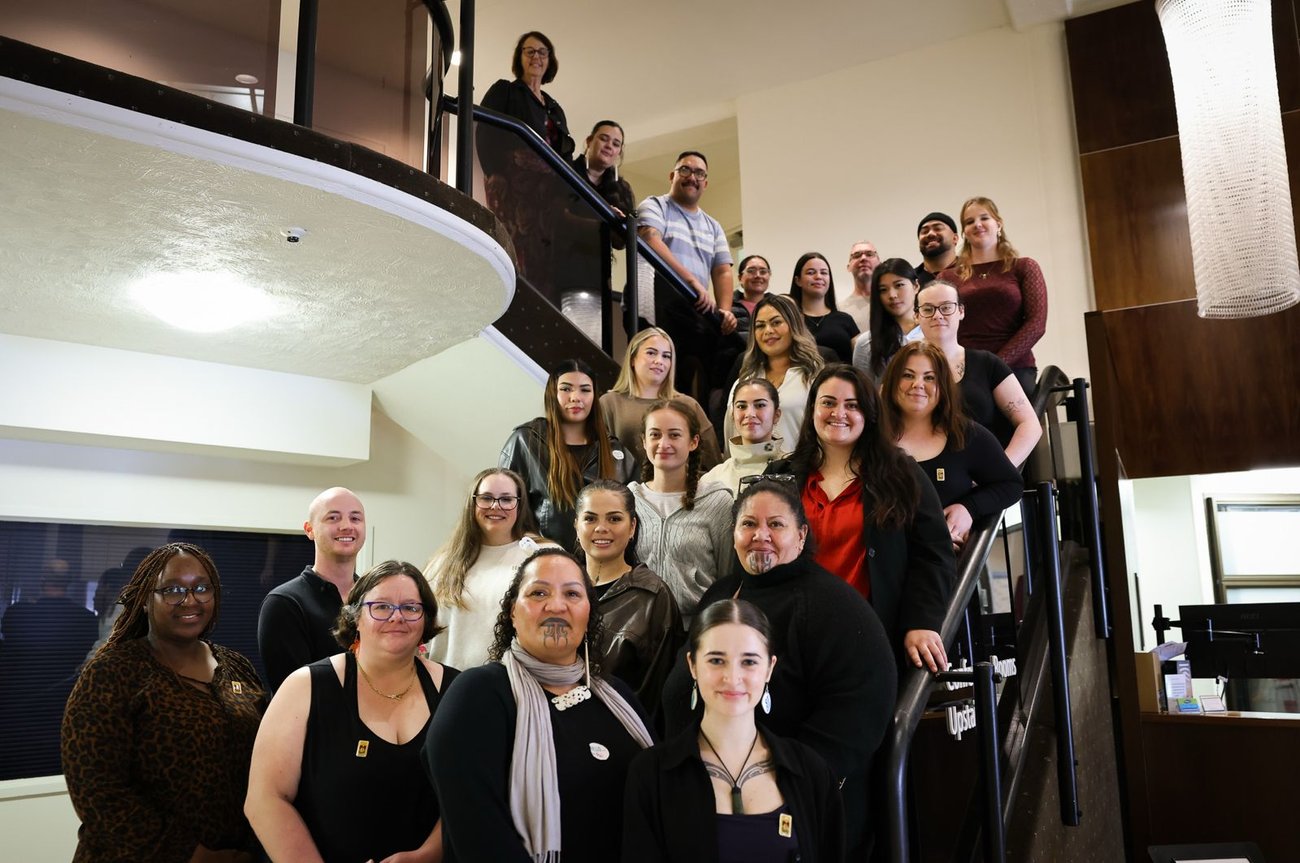
NZNO's National Student Unit class of 2026. |
|
|
|
The National Student Unit (NSU) met with Heads of School and their representatives from across the motu at the West Plaza Hotel in Wellington earlier this month to discuss key issues affecting nursing tauira. Their presentations focused on three areas: the NSU social media campaign, advocacy for tauira and placement poverty.
Social media:
This presentation explored how tauira receive and engage in information through social media. Delivered as a series of reels, it highlighted topics such as what motivates tauira to stay in New Zealand following graduation, including a desire to be a positive role model for others, supporting their communities, whanau, hapū and iwi, and leading by example in their commitment to health and social equity. Issues such as job security, and the importance of engaging in advocacy ahead of the election were also raised. The first part of the NSU social media campaign was launched, centred on the question "What is your Why?". Five videos were shown, a values based series of videos highlighting why they have chosen to study nursing and encouraging viewers to join NZNO. The first of these videos can be viewed on NZNO’s social media channels Instagram, Facebook and our new TikTok account.
Advocacy for Tauira:
This presentation called for greater consistency in nursing education, stronger teaching of cultural safety and Te Tiriti, improved preparation for clinical placements (including support for preceptors), and increased support for tauira facing unsafe placement environments and uncertain graduate employment. Experiences of bullying, poor communication, lack of support and excessive workloads impacting on learning and wellbeing were shared.
Placement poverty:
Findings from the NZNO National Student Survey 2025 and personal stories were shared that demonstrated the significant impact of financial hardship many tauira face while on clinical placement. Students reported losing income, struggling to meet basic living costs, and experiencing burnout while balancing placement, study, work , and family responsibilities. The NSU encouraged Heads of School to advocate for practical solutions, including greater student input into placement planning, optional placement support funding, budgeting education, discounted public transport, and expanded wellbeing initiatives such as counselling, affordable healthy food, and accessible healthcare. |
|
|
|
|
|
Time's running out to register for the Medico-legal forum |
|
|
|
|
|
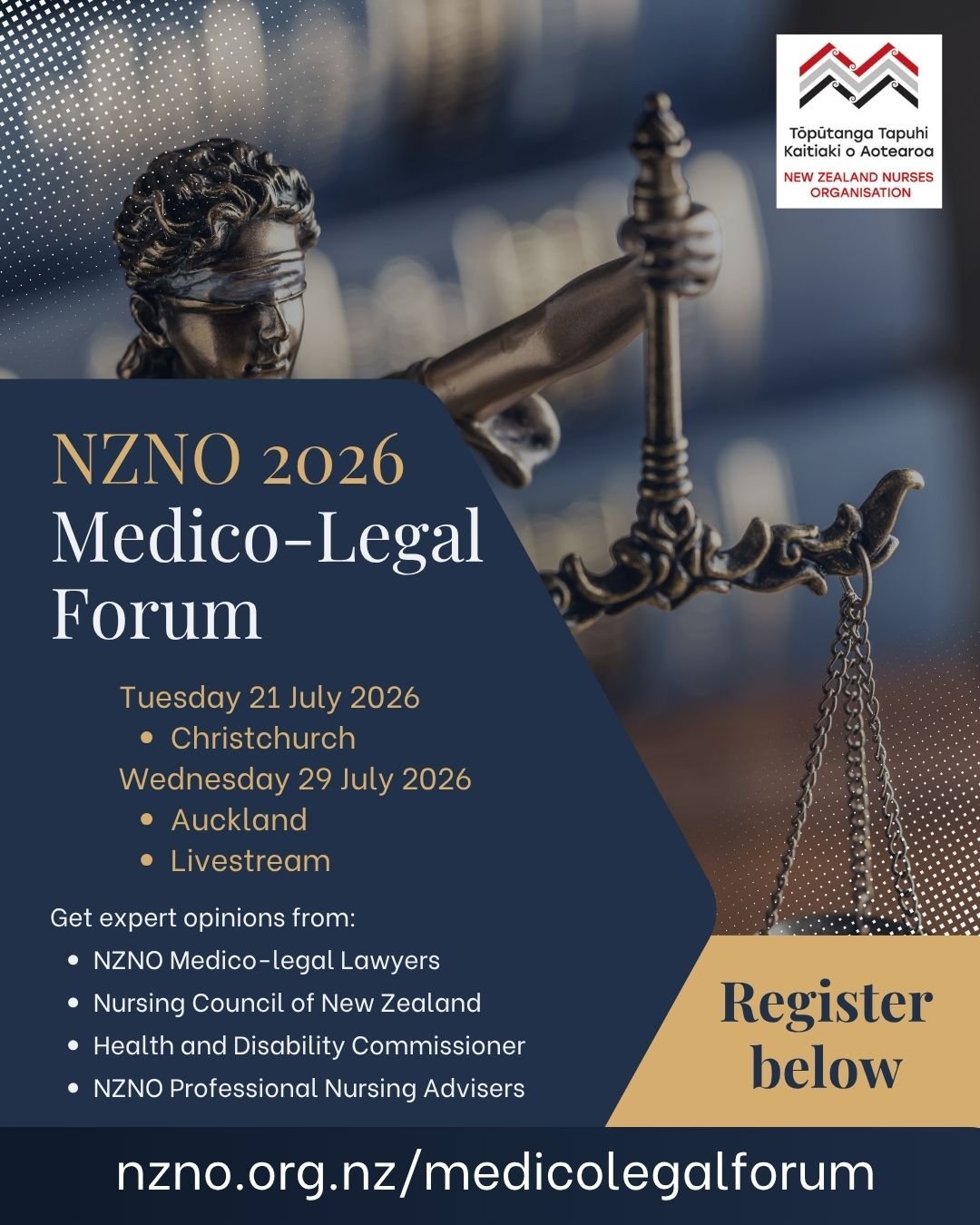
A gentle reminder that registrations for the Auckland leg of NZNO's Medico-Legal Forum close early next week.
The theme Navigating risk and complexity in contemporary nursing practice presents an ideal opportunity to hear from expert speakers such as NZNO Medico-legal lawyers, the Health and Disability Commissioner, Nursing Council of New Zealand and Age Concern among others.
The programme includes a wide range of topics crucial to your everyday mahi.
These include Substituted decision making and informed consent; Unsafe staffing: Impact on professional obligations; Elder abuse response; AI and nursing: friend, foe… or future colleague?; Ethics and Advocacy; and updates from the Nursing Council and Health & Disability Commissioner.
Venues & Dates:
Auckland Forum: Wednesday 29 July 2026 - Registrations close Tuesday 21 July
Streaming option: Wednesday 29 July 2026 - Registrations close Tuesday 21 July
Registration fee:
In-person: NZNO members $160, non-members $200
Streaming option: NZNO members $120, non-members $160
Click here for further details and to register |
|
|
|
NZNO in the news |
|
|
|
|
|
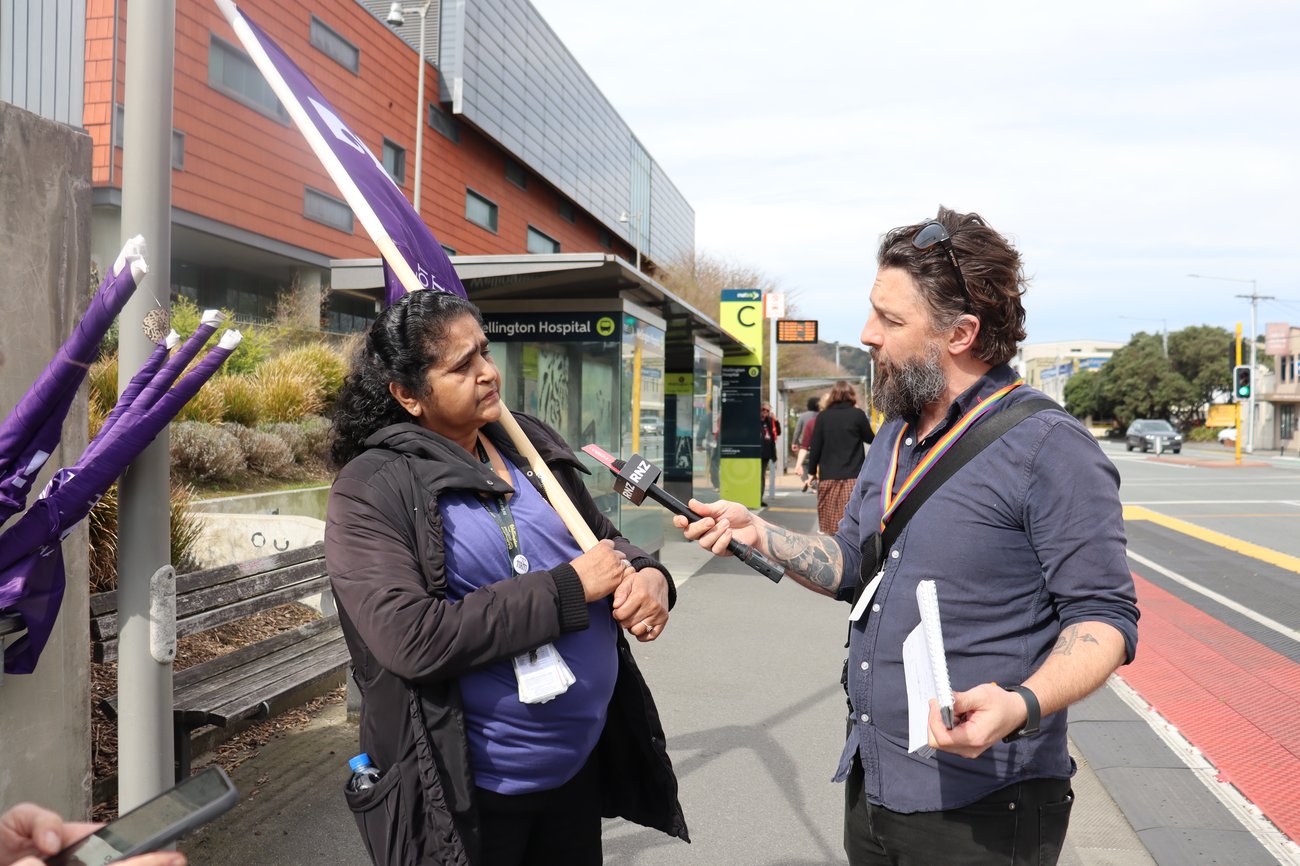
Wellington delegate Sharita Misra speaks to RNZ at NZNO's national rally last year. |
|
|
|
Calls Grow for Independent Inquiry After Waikato ED Death Raises Fresh Questions Over Hospital Staffing
Waatea News, 15 July 2026
Cultural safety in healthcare is not ‘ideological’ – it is saving lives
NZ Doctor, 14 July 2026
‘It’s relentless’: What it’s like to be an ED nurse in New Zealand right now
The Spinoff, 13 July 2026
Mental health staff say police refused to help with violent patient
RNZ, 13 July 2026
Nursing union calls for staffing transparency on night of ED death
The Post/The Press, 11 July 2026
Homeless and hospitalised: The deadly impact of sleeping rough
RNZ/NZ Herald, 9 July 2026
Hawke’s Bay Hospital ED under pressure despite winter plan, up to 60 people waiting at a time
Hawkes Bay Today, 7 July 2026
Empty lot consented for car park near Christchurch Hospital idle as 2000 staff wait
The Press, 7 July 2026
Health system struggles with seasonal surge in illness
Morning Report, 6 July 2026
More temporary beds added to hospitals around NZ to meet winter demand
RNZ, 6 July 2026
‘Nightmare waiting to happen’: Police pullback puts pressure on Whanganui Hospital ED staff
Whanganui Chronicle, 4 July 2026
Read more here |
|
|
|
|
|
Grow yourself professionally by joining NZNO's colleges and sections |
|
|
|
Colleges and sections are central to NZNO’s success and influence and brings together groups of members who are focused on a specific nursing specialty.
So far only less than 20% of members have elected to join a college or section, and we'd like to see you grow that number. NZNO colleges and sections can help you advance your practice through policy and professional development opportunities, and membership at most colleges and sections is open and free to NZNO members.
There’s bound to be one for every member as there are 19 colleges and sections across a range of specialty areas and members can choose to belong to as many as three. Individual membership choices are usually related to clinical specialty and/or study and research interests.
Check out our colleges and sections here. Which one(s) will you join? |
|
|
|
|
|
Colleges and Sections' leadership training |
|
|
|
Building on the success of the NZNO College and Section Leadership Training held earlier in 2026, planning is now underway for the next exciting opportunities for College and Section leaders. College and Section Orientation, will take place 1–2 December 2026, and the College and Section Forum, is scheduled for 2–3 March 2027.
The two-day Orientation programme is designed to support both new and continuing leaders in their roles, while the Forum provides an important opportunity to connect, collaborate and contribute to future planning.
Registrations for the Orientation will open later in July, with invitations being sent directly to your College or Section. Keep an eye on your emails for further information and be sure to secure your place. |
|
|
|
|
|
COASTN Award nominations open |
|
|
|
|
COASTN is seeking nominations for the Outstanding Nursing Achievement in Transport Nursing Aotearoa.
The award was established to recognise excellence, research, innovation, and contribution to transport nursing.
The award is offered as a scholarship of up to $1000 to facilitate travel or professional development to support the nurse’s career, for example attendance and/or presentation at a conference/symposium or professional meeting, or visits to other aeromedical services.
Nominations close on Sunday 15 August 2026
For more information and nomination forms click here |
|
|
|
|
|
Infection, Prevention & Control Nurses College |
|
|
|
|
|
|
|
|
|
Attacks on unions are costing working people |
|
|
|
A new report from the OECD shows that working people are being left behind by this Government, says New Zealand Council of Trade Unions Te Kauae Kaimahi Secretary Melissa Ansell-Bridges.
|
|
|
|
“The Employment Outlook report for 2026 shows real wages falling faster in New Zealand than anywhere else in the OECD. In real-terms, New Zealand’s working people are earning 6.4% less than they were in 2021.
“Strong unions mean better wages. The OECD calls in this report for collective bargaining to be put at the heart of labour market policies—but this Government has relentlessly attacked working people and their unions since coming to power.
“Last year, 73% of working New Zealanders saw their pay go up by less than inflation, according to Stats NZ. 44% saw no increase at all. Yet those same New Zealanders see the cost of living continuing to climb.
“As the cost-of-living crisis deepens, the Government should be looking for solutions that lift the wages of working people. Instead, they’re making workers’ lives harder by pushing through legislation like the Employment Leave Bill.
“It’s clear that working people aren’t getting back on track. Oil prices are rising, interest rates are increasing, and wages continue to lag behind inflation. How are New Zealanders meant to keep up?”, said Ansell-Bridges. |
|
|
|
|
|
ICN monthly update – June |
|
|
|
|
|
|
|
|
Grants for Good – It’s good to give back
Grants for Good is a registered charity that supports the growth of knowledge, the development of resources, and the personal health and wellbeing of members, their colleagues in the education and public service sectors and the wider New Zealand community.
Their 'Grants for Good' programme will provide funding support for educational initiatives that can leave you, your colleagues, your workplaces, your communities, or your opportunities, better off. Their focus is on making good ideas possible... wherever they come from.
More information here |
|
|
|
|
Sign the pledge for better taxes |
|
|
|
|
|
We are voting for political parties that commit to tax policies to…
- Generate the revenue we need to fund the things that matter, not make cuts to public goods and services we all rely upon
- Make sure the wealthiest pay their fair share, and address the impact of tax on the least well off
- Close gaps in tax on big corporates
Please sign the pledge here
More information here |
|
|
|
|
|
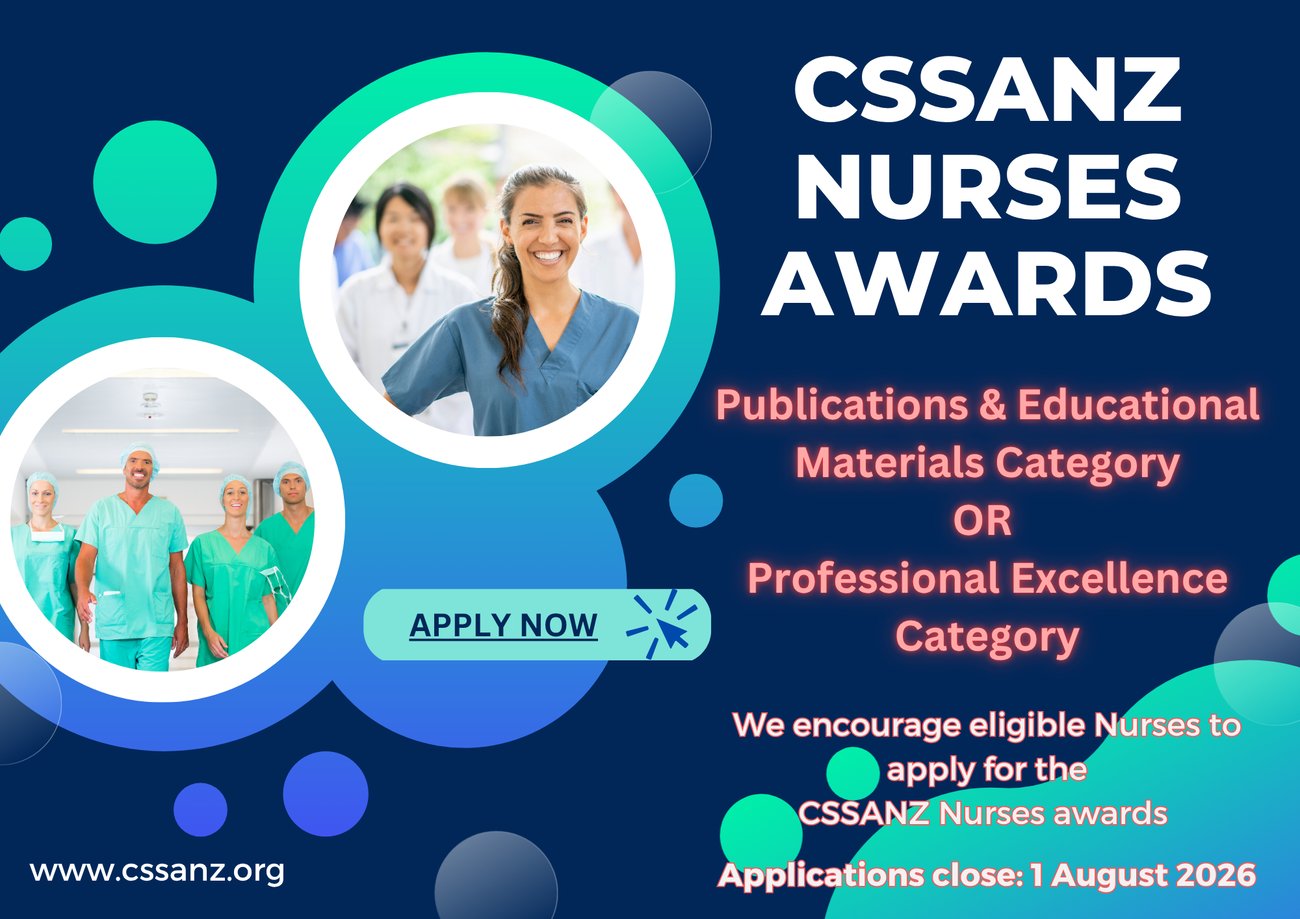
2026 CSSANZ Nurses Awards |
|
|
|
|
|
These awards recognise the outstanding contribution of nurses to the colorectal specialty and include two award categories:
- Publications and Educational Materials
- Professional Excellence
Each award recipient will receive support towards continuing professional development, including attendance support for the CSSANZ Colorectal Spring Meeting 2026 (conditions apply).
I have attached a promotional graphic and would be very grateful if you could circulate it to eligible nurses and relevant professional networks.
Further information, including eligibility criteria and application details, is available here.
Applications close 1 August 2026. |
|
|
|
|
|
|
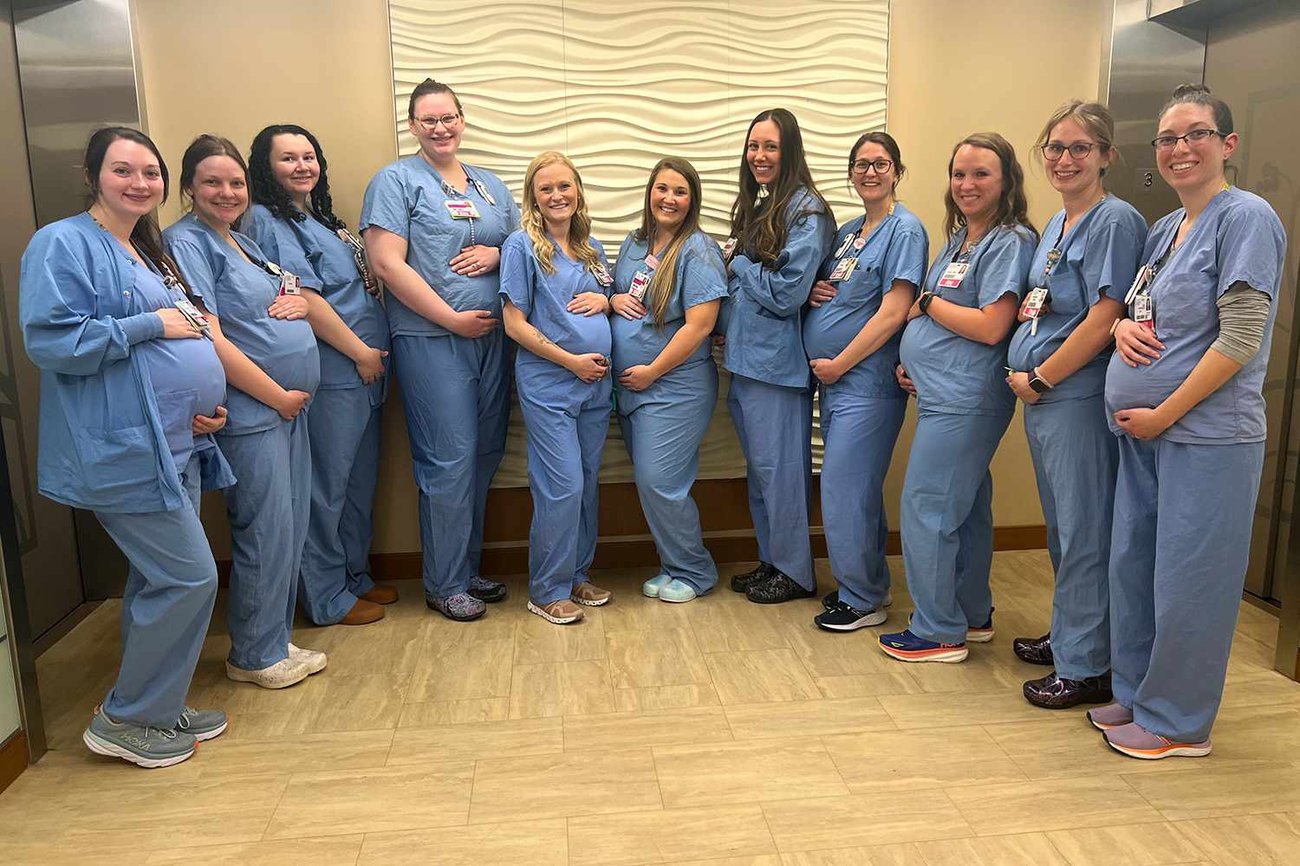
Seventeen nurses from Miami Valley Hospital's labour and delivery unit in Ohio, US, are pregnant at the same time. Story below. Photo: Facebook |
|
|
|
|
|
|
|
|